
 image sourced from original article at
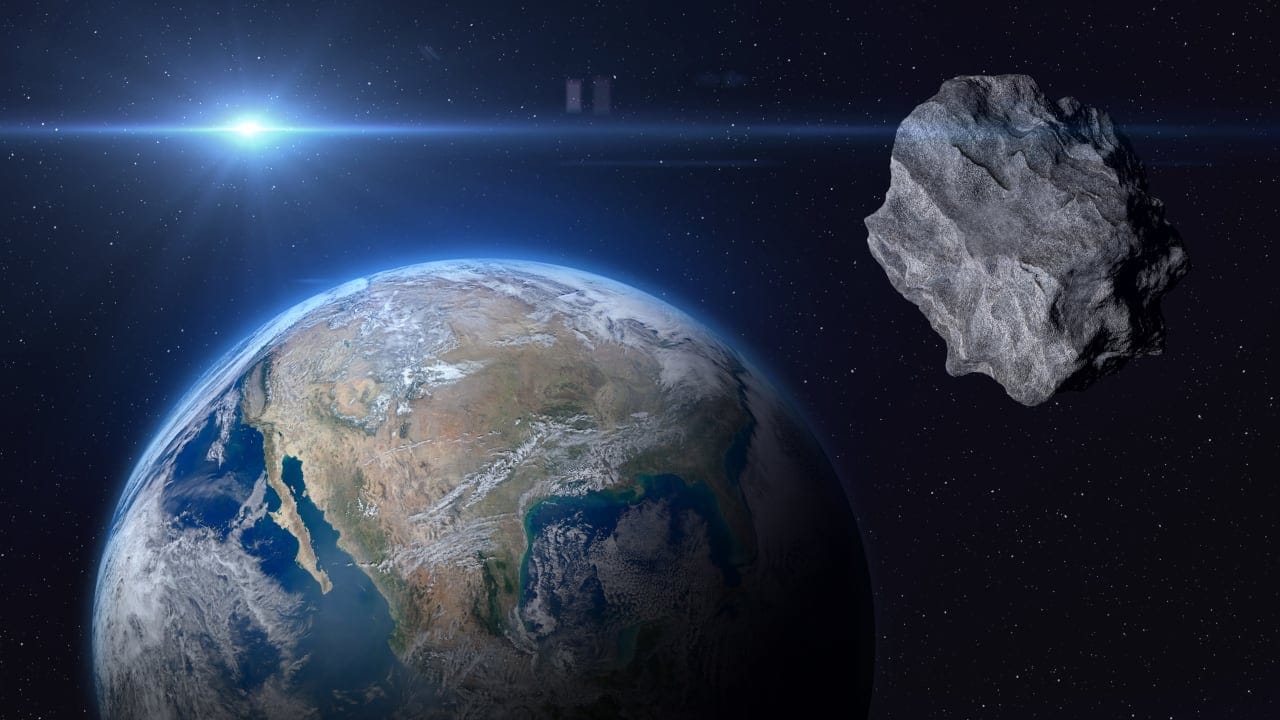
 An asteroid designated 2026 JH2 is expected to pass Earth on May 18 at a distance of about 91,600 kilometers, according to tracking data from the National Aeronautics and Space Administration. The flyby distance is roughly 176 times the length of Bulgaria, a comparison used to illustrate how close the object will come. While that may sound far, it is significantly closer than the Moon, which orbits at an average distance of 387,000 kilometers.
The asteroid is estimated to measure up to 33 meters in diameter. Although far smaller than the 140 meter threshold typically associated with potentially catastrophic impacts, an object of this size could still cause damage if it were to enter Earth’s atmosphere. Scientists point to the 2013 Chelyabinsk event in Russia, when a smaller asteroid exploded midair and caused widespread window damage and injuries from shattered glass.
Current calculations show that 2026 JH2 will safely pass Earth without incident. Meanwhile, researchers continue to develop planetary defense strategies, including spacecraft designed to alter an asteroid’s trajectory, as part of ongoing efforts to protect the planet from future threats.