 image sourced from original article at
 Sri Lanka is grappling with the aftermath of Cyclone Ditwah, which killed 643 people and left 173 missing after unleashing unprecedented rainfall and destruction across the country. Entire villages were swept away by floods and landslides, with nearly two million people affected and damage estimated at $4bn. The disaster caused greater infrastructure destruction than the 2004 tsunami, leaving more than 165,000 people still displaced months later.
Survivors like Indrani Ravichandran and her family are living in partially destroyed homes as they await further government support. While authorities have distributed some financial aid, delays persist in compensating those who lost everything. The government says it is prioritising safer reconstruction, but funding remains limited, with only a fraction of required international assistance secured.
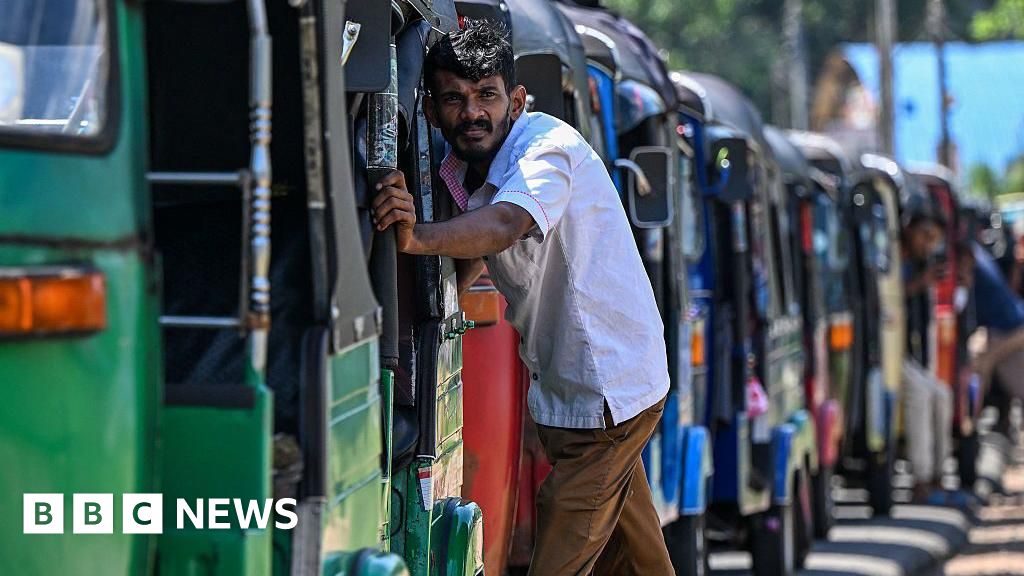
The crisis has been compounded by the economic fallout from the war involving Iran, which has driven up global fuel prices and strained Sri Lanka’s fragile recovery from its 2022 financial collapse. Rising energy costs, rationing and fears of reduced foreign remittances threaten to deepen the hardship. Economists warn that prolonged global instability could undermine the country’s ability to rebuild and stabilise its economy.