 image sourced from original article at
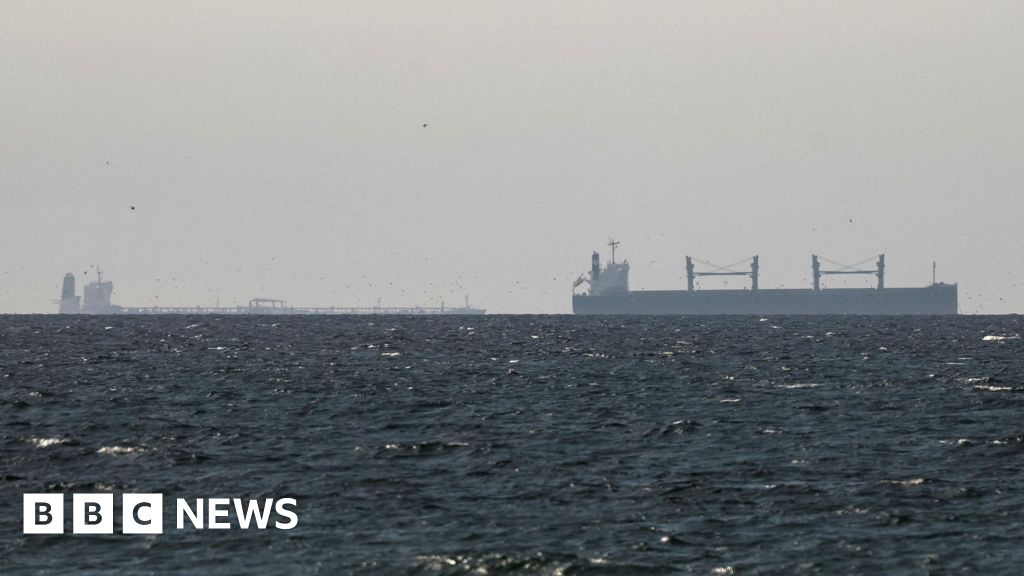
 Iran's foreign minister has announced that the Strait of Hormuz is 'completely open' to commercial vessels during the remaining days of a temporary ceasefire, though ships must travel through designated safe routes. The strait had been effectively blocked since late February following attacks by the United States and Israel on Iran. Despite the announcement, ship tracking data shows minimal movement, and maritime authorities say they are still assessing whether the waterway is safe.
Iranian state media said military vessels would remain barred from the passage, and some domestic outlets criticized the foreign minister's statement as unclear. A senior military figure indicated that transit would be limited to routes set by the Islamic Revolutionary Guard Corps. Questions remain about whether the reopening would hold if the United States continues its naval blockade of Iranian ports.
Roughly one fifth of the world's oil and liquefied natural gas shipments normally pass through the strait, and the recent disruption has driven fuel prices higher. Although oil prices fell after the announcement, shipping experts warned that threats such as sea mines still pose serious risks. The head of the International Maritime Organization said further clarification was needed to ensure safe navigation in accordance with international law.
Meanwhile, diplomatic talks between Iran and the United States are set to continue, with both sides signaling cautious optimism despite disputes over Iran's enriched uranium stockpile. Britain and France have proposed leading a multinational defensive mission to safeguard commercial shipping once hostilities in the region fully subside.