 image sourced from original article at
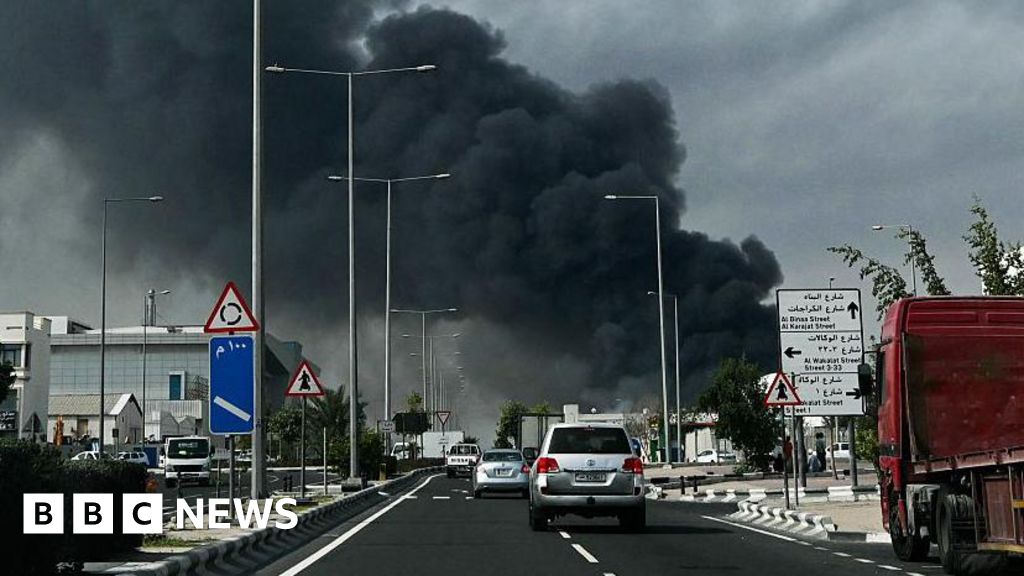
 An Iranian missile strike on Qatar's Ras Laffan gas complex has severely disrupted global energy markets, knocking out around 17 percent of the world's liquefied natural gas supply and causing an estimated 20 billion dollars in annual losses. The attack followed Israeli strikes on Iran's South Pars field, escalating a conflict that has damaged more than 80 energy facilities across the Gulf and triggered what the International Energy Agency has called the biggest energy crisis in history. Repairs in Qatar could take up to five years, with regional growth forecasts sharply downgraded.
The closure of the Strait of Hormuz, a vital shipping route for roughly one fifth of global oil and gas flows, has compounded the crisis. While Saudi Arabia and the United Arab Emirates are using alternative pipelines, these routes can handle less than half the usual export volumes. The World Bank has cut Middle East growth projections to 1.8 percent, warning of long term economic scarring, with Qatar and Kuwait expected to face the steepest contractions.
The fallout extends beyond energy. Tourism revenues across the Middle East are estimated to be falling by hundreds of millions of dollars per day, with businesses in Dubai reporting cancellations and job losses. Financial pressures are also emerging, prompting discussions about potential currency support from the United States, though Gulf officials have downplayed the need for external backing.
Analysts warn that prolonged instability could force Gulf states to rethink export routes and scale back ambitious diversification plans in sectors such as technology, artificial intelligence and entertainment. At the same time, their ability to fund reconstruction efforts in conflict affected parts of the wider region may be strained as governments prioritize domestic recovery.