 image sourced from original article at
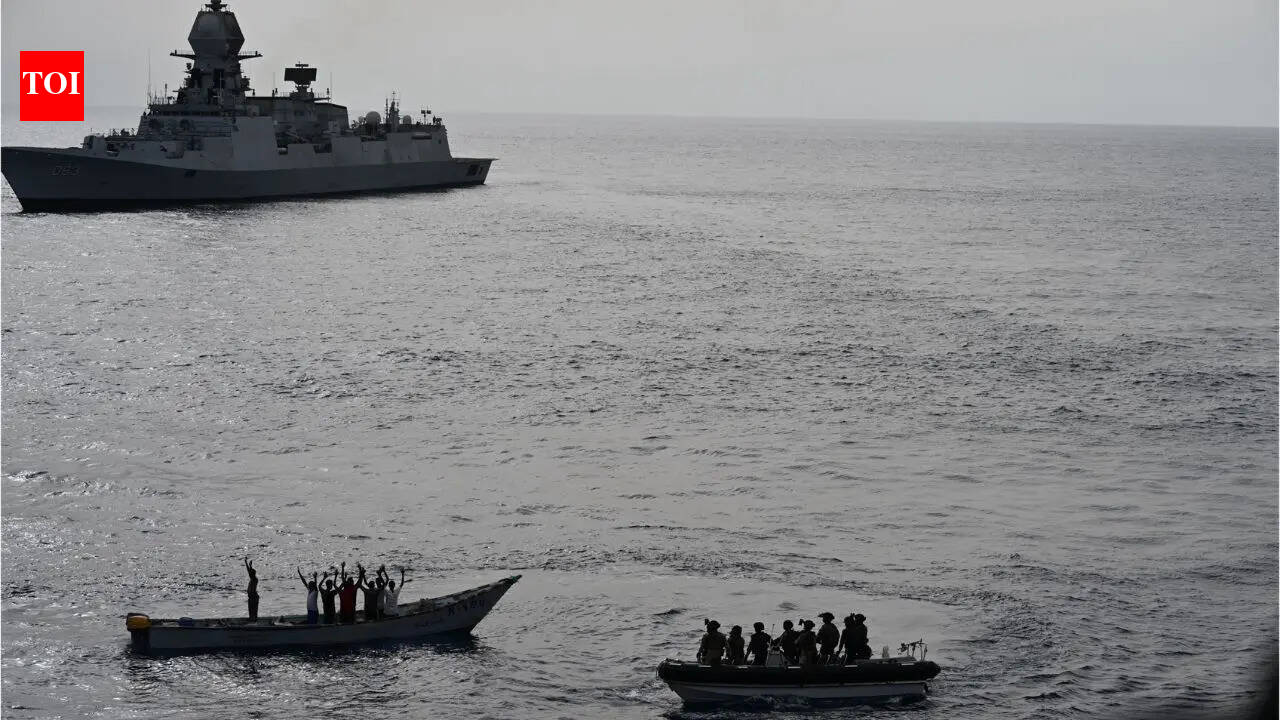
 Traffic through the Strait of Hormuz remained severely restricted after days of naval clashes between the United States and Iran, leaving roughly 1,600 ships stranded in the Persian Gulf. The United States Navy has intercepted dozens of commercial vessels attempting to enter or leave Iranian ports and disabled several ships that did not comply with its orders. Meanwhile, fears of Iranian retaliation have discouraged other vessels from attempting the passage.
Recent confrontations have intensified the standoff. The United States said it struck Iranian military sites after attacks on its destroyers, and reported firing on Iranian-flagged oil tankers. Iran said its actions were in response to alleged violations of a cease-fire and claimed additional strikes by American forces on its port facilities. Both sides have issued public threats as tensions continue to rise.
Shipping data shows a sharp decline in daily crossings, with only a handful of cargo ships transiting the strait and no oil tankers reported in recent days. The disruption has driven up energy prices and unsettled global markets, given that the route normally carries a significant share of the world's oil and natural gas supplies.
Other nations are preparing responses to the crisis. Britain announced it would deploy a naval destroyer to the region, and Britain and France have discussed forming a multinational coalition to safeguard shipping once the conflict subsides. The fate of a Qatar-owned gas tanker attempting to transit the strait remains unclear.