 image sourced from original article at
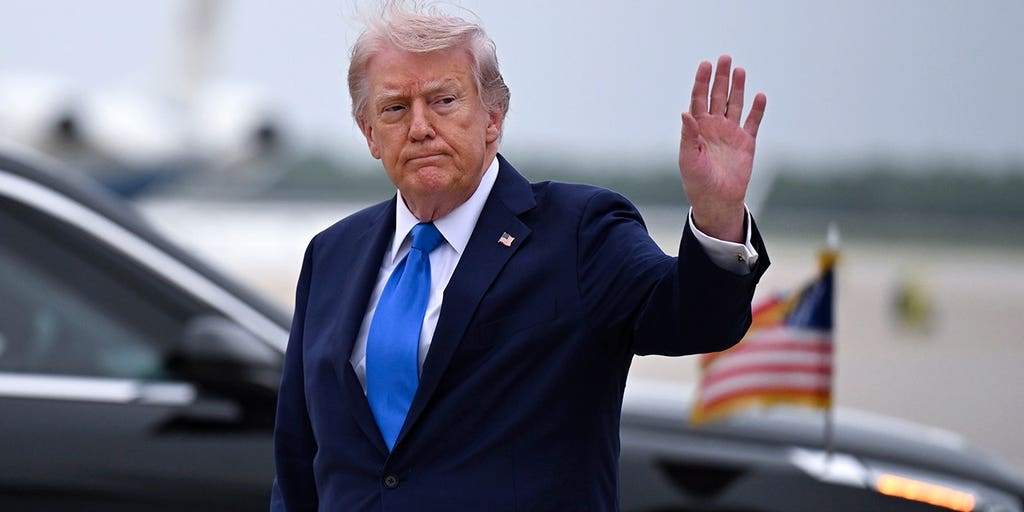
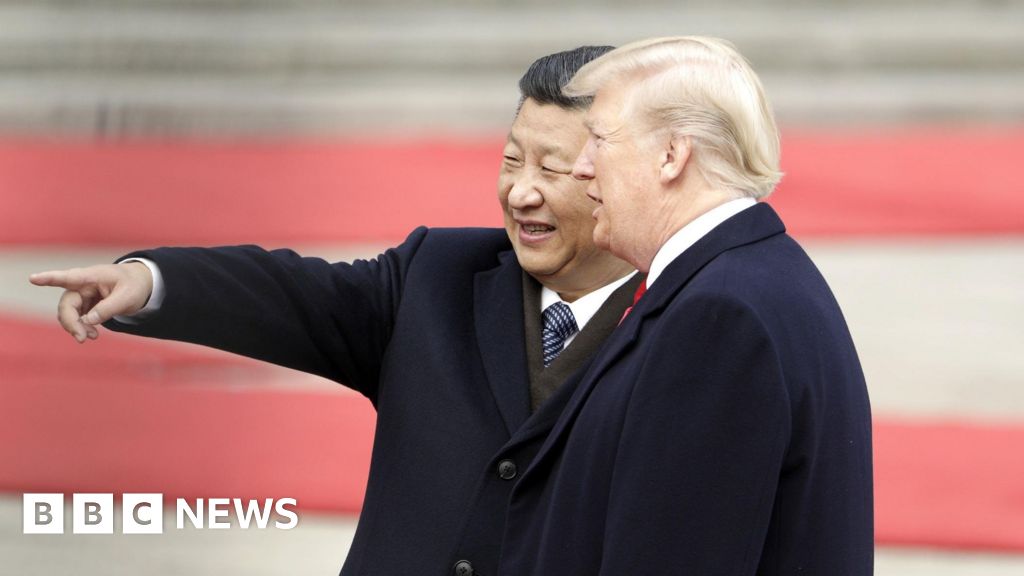
 Donald Trump returns to Beijing nearly a decade after his lavish 2017 visit to find a stronger and more assertive China under Xi Jinping. Now in a third term, Xi has pushed ambitious plans focused on renewable energy, robotics and artificial intelligence, while projecting confidence that China stands as a geopolitical equal to the United States. The summit agenda includes trade, technology, Taiwan and tensions linked to Iran.
Cities such as Chongqing showcase Beijing’s drive to modernise, with vast investment transforming it into a high tech manufacturing and robotics hub. China now leads the world in industrial robot deployment and is investing heavily in advanced industries, even as it seeks access to high end computer chips from American firms. At the same time, debt, a struggling property sector and weak domestic consumption highlight economic strains beneath the futuristic skyline.
Trade frictions remain central. Chinese exports to the United States have fallen sharply, and Beijing has diversified toward South East Asia and the European Union. After earlier tariff battles, China has signalled it will not easily back down, though both sides may seek a fragile truce or limited deal during the visit.
Beyond economics, the meeting reflects a shifting global balance. Trump hopes for cooperation on the conflict involving Iran and wants tangible concessions, while Xi aims to present China as stable, open and increasingly central to world affairs. The pageantry of the visit itself underscores how much the relationship, and China’s global standing, has changed in less than a decade.