 image sourced from original article at
 Iran's leadership is wagering that it can outlast President Donald Trump in high stakes negotiations, calculating that political pressure and rising fuel prices in the United States will force Washington to compromise. By restricting shipping through the Strait of Hormuz, a vital artery for global energy supplies, Tehran believes it holds significant leverage as midterm elections approach in the United States.
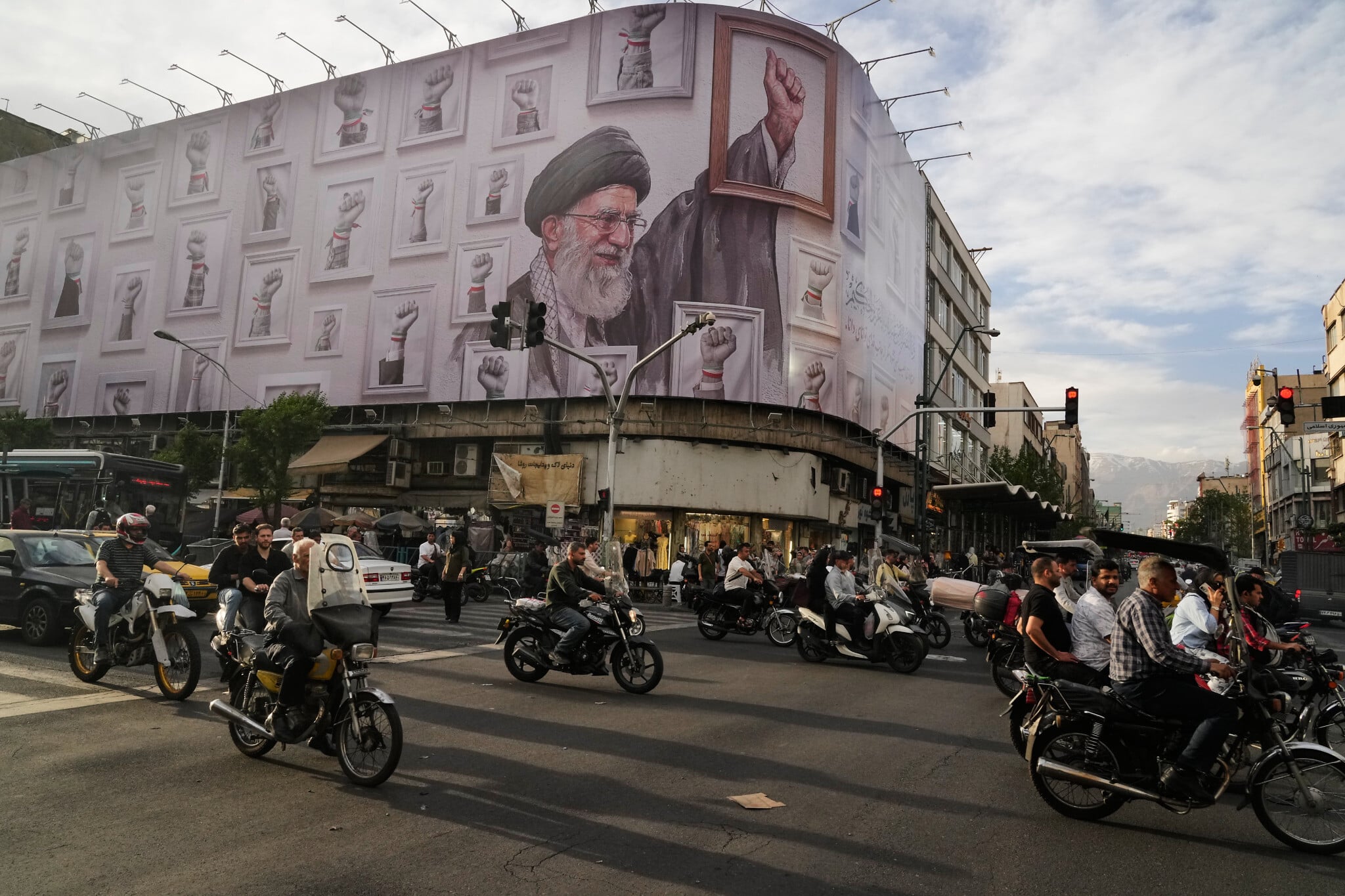
Despite the recent killing of longtime supreme leader Ali Khamenei during the conflict, Iran's ruling establishment remains deeply ideological and focused on preserving the Islamic Republic. Key figures, including members of the Islamic Revolutionary Guard Corps and parliament speaker Mohammad Bagher Ghalibaf, signal that Tehran is willing to endure economic hardship rather than accept terms it views as surrender.
Analysts warn, however, that Iran may be overestimating its position. The country faces domestic unrest, economic strain, and infrastructure damage from earlier attacks. While leaders appear prepared for renewed confrontation, miscalculations could trigger another round of military conflict, a risk that could prove costly for both sides.