
 image sourced from original article at
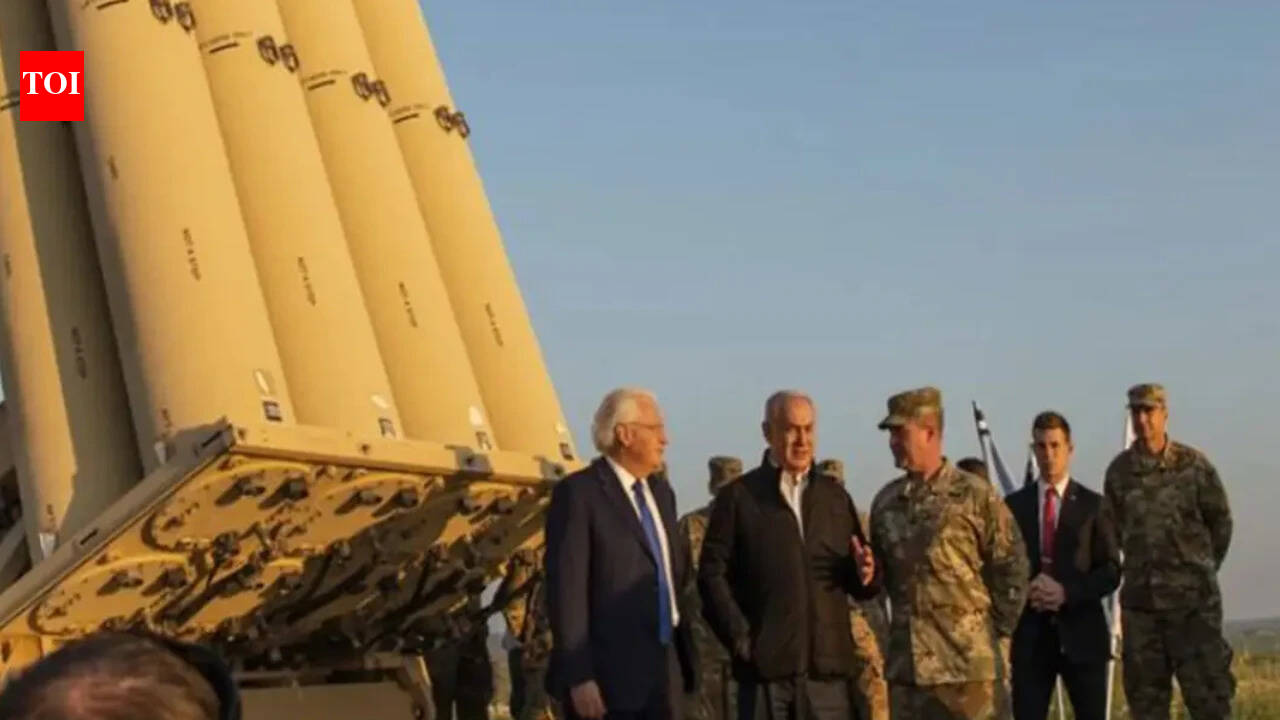
 The United States has fired more than 200 Terminal High Altitude Area Defense interceptors and over 100 Standard Missile interceptors from naval vessels to defend Israel during the recent conflict with Iran, depleting nearly half of its total stockpile of advanced ballistic missile defense interceptors. Some launchers were repositioned from South Korea at the start of the fighting. In comparison, Israel used fewer than 100 Arrow interceptors and nearly 90 David's Sling systems.
The conflict began on February 28 when the United States and Israel struck Iranian military, naval and air force facilities, killing senior Iranian leaders including Supreme Leader Ayatollah Khamenei. Iran responded by targeting United States allies across West Asia. A ceasefire took effect on April 8, and both sides have since entered talks aimed at easing decades of hostility.
Officials warned that interceptor shortages could worsen if fighting resumes, particularly as Israel has taken some missile defense batteries offline for maintenance. Both governments defended their coordinated military response, describing it as balanced and effective, while emphasizing the strength of their security partnership.