 image sourced from original article at
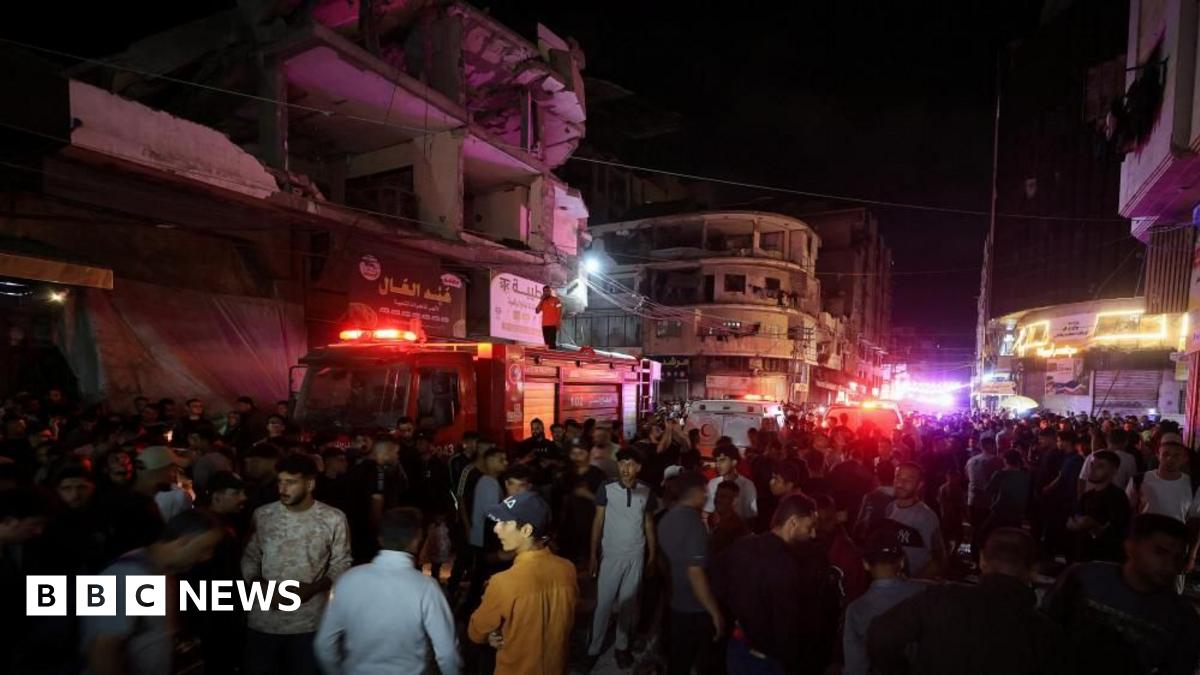
 International aid leaders told reporters at United Nations headquarters that conditions in Gaza remain catastrophic six months after a widely praised peace agreement was meant to transform life in the territory. While large-scale bombardment and famine conditions have eased, children are still out of school, hospitals lack critical supplies, and most electricity and water infrastructure remains destroyed. Aid groups say the promises of unrestricted humanitarian access and reconstruction under Security Council Resolution 2803 have not been fulfilled.
Humanitarian organizations report severe restrictions on bringing in medicine, medical equipment, fuel, and basic goods, leaving families living in tents beside open sewage and facing soaring food prices and widespread unemployment. Medical evacuations for critically ill patients remain extremely limited, and doctors inside Gaza describe performing surgeries without adequate anesthesia, implants, or essential drugs. Aid leaders argue that survival alone cannot be considered success when dignity, safety, and basic services are still absent.
Israeli officials maintain that restrictions are necessary to prevent the militant group Hamas from diverting aid, but relief agencies contend that blocking or delaying assistance violates international humanitarian law and undermines the ceasefire. They warn that without full implementation of the peace framework, meaningful accountability, and greater inclusion of Palestinian voices in reconstruction planning, the current pause in fighting risks becoming only a temporary break before further violence.