 image sourced from original article at
 Gulf states are reassessing their security strategies as Washington and Tehran move closer to a potential ceasefire that could ease tensions, reopen the Strait of Hormuz and reduce sanctions on Iran. While the agreement may temporarily halt one of the region’s most dangerous conflicts in decades, it has also exposed the vulnerability of Gulf monarchies whose infrastructure was targeted during the fighting despite long-standing military partnerships with the United States.
The war has intensified debate over whether reliance on foreign powers can still guarantee stability. Analysts argue that hosting American military bases may have made Gulf countries targets, prompting calls for a new regional security framework built on direct engagement with Iran and stronger domestic defence capabilities. At the same time, Gulf leaders have urged diplomacy, fearing further escalation would damage their economies and global energy markets.
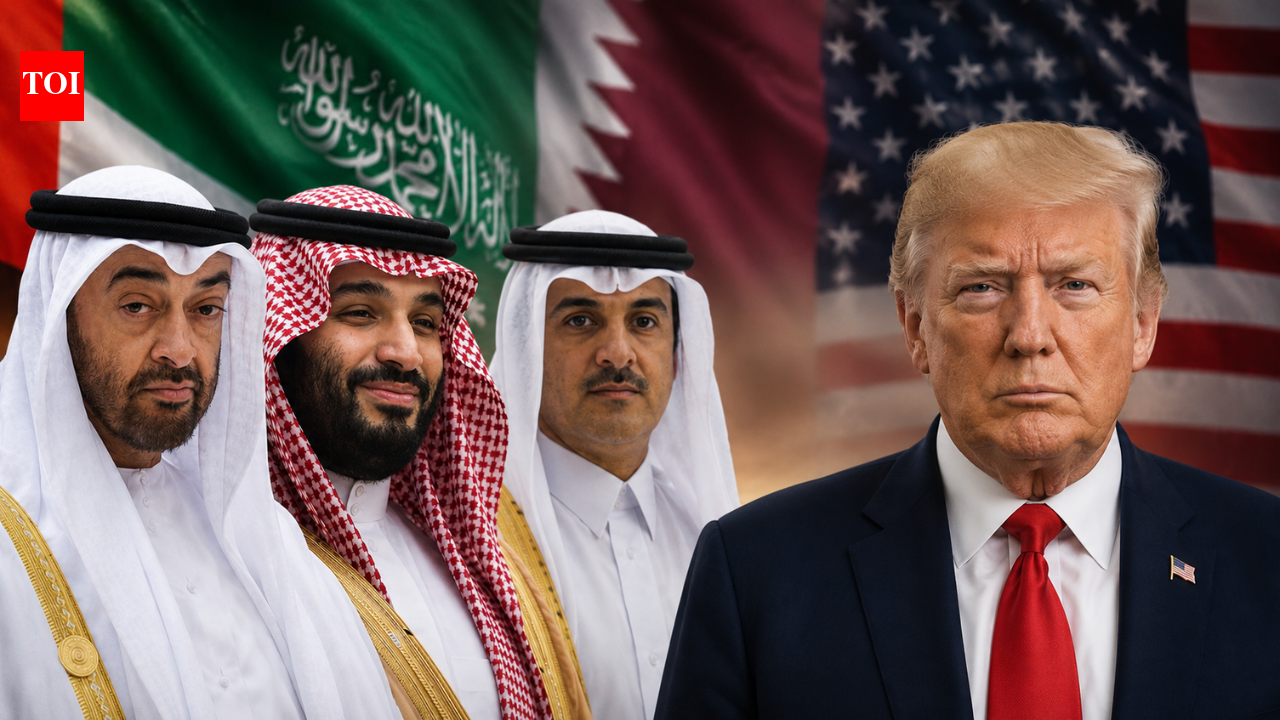
Divisions within the Gulf have also become more visible. Saudi Arabia and Qatar favour de-escalation and mediation, while the United Arab Emirates has taken a more confrontational stance and strengthened alternative export routes to reduce reliance on vulnerable waterways. As diplomacy advances, the region faces a strategic crossroads: the traditional American security umbrella appears less certain, yet a unified regional alternative has not emerged.