 image sourced from original article at
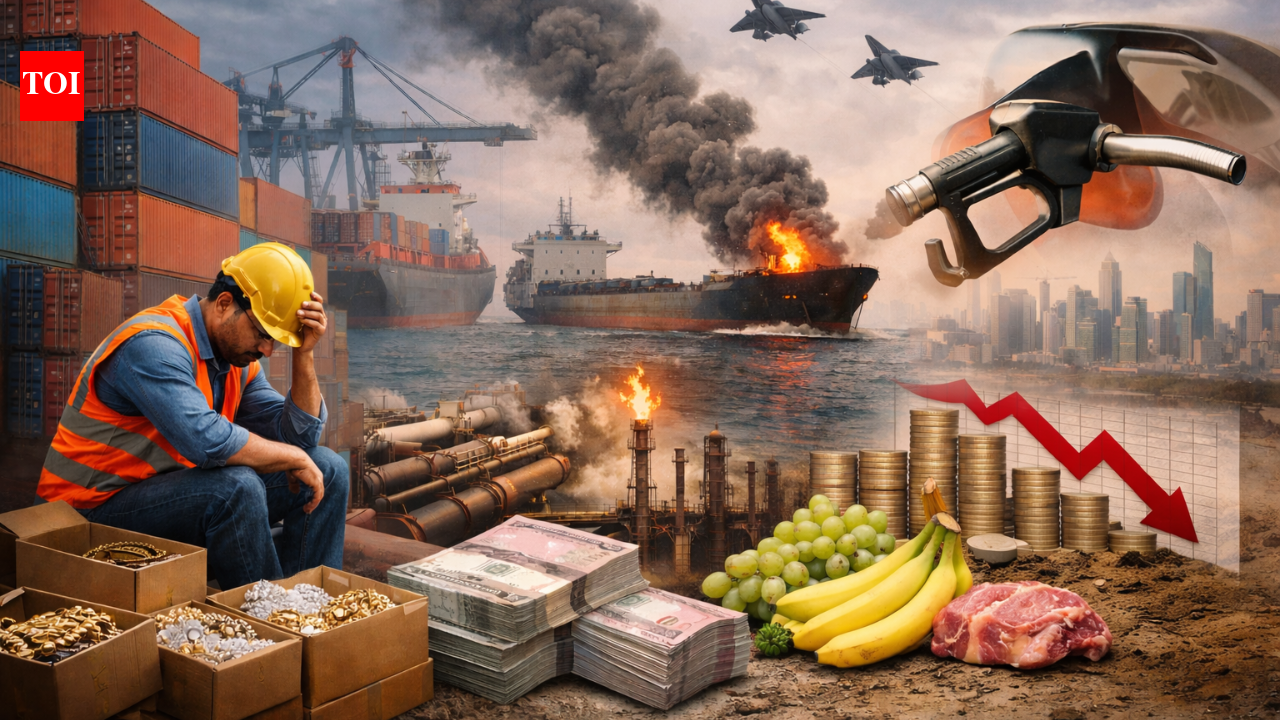
 The ongoing crisis in the Middle East is posing a significant external shock to India, threatening energy supplies, trade flows and supply chains, according to a white paper by Dun & Bradstreet. The Gulf-Levant region accounts for about 15 per cent of India's merchandise exports and 21 per cent of imports, leaving the country vulnerable to disruptions. A key flashpoint is the Strait of Hormuz, through which a quarter of the world's seaborne oil trade passes, with recent tensions already driving up freight, insurance and energy costs.
Indian exporters are facing uneven impacts across sectors. Discretionary industries such as gems and jewellery, apparel, automobiles and electronics are witnessing weaker demand and delayed orders from Gulf markets, while agricultural exporters of perishable goods are suffering losses due to shipping delays. On the import side, reliance on the region for fertilisers, limestone and gold compounds raises the risk of supply disruptions, potentially affecting agriculture, construction and manufacturing.
Rising energy prices are squeezing margins in fuel-dependent sectors including aviation, chemicals, transport and metals, increasing the risk of higher consumer prices. The report warns that a prolonged crisis could lead to sustained inflation, tighter financial conditions, slower growth and weaker remittance inflows from Indian workers in the region, with limited short-term alternatives to offset the shock.