 image sourced from original article at
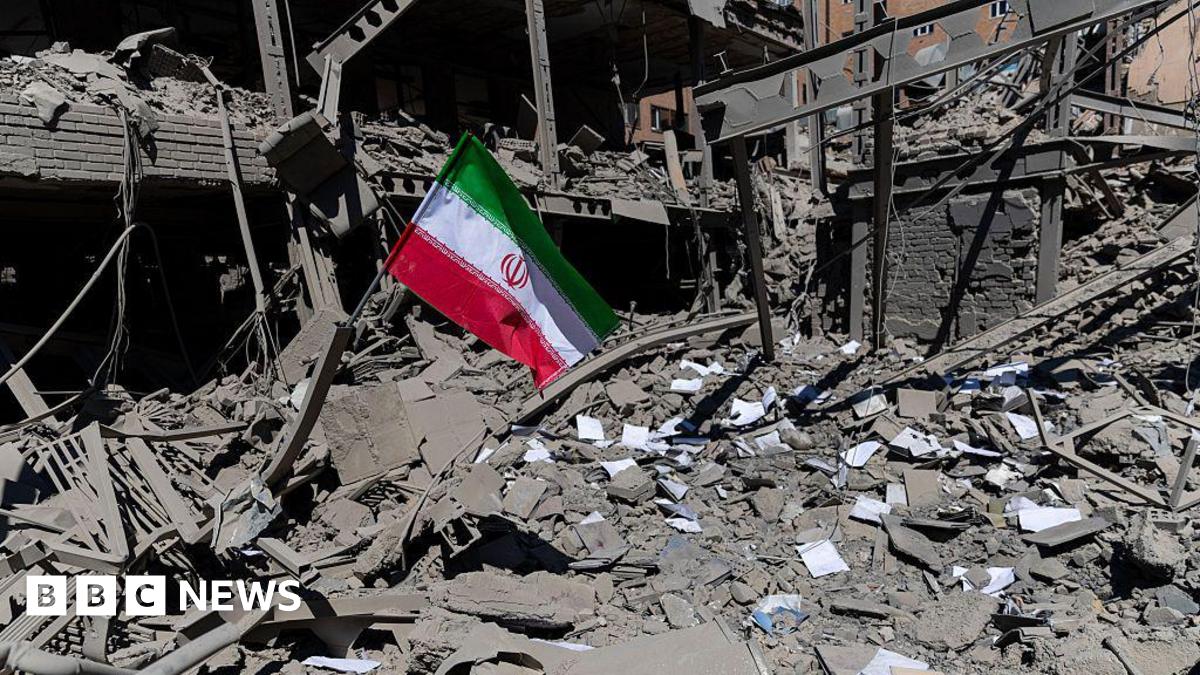
 A fragile ceasefire between Iran and the United States has brought temporary relief to civilians, but its future remains uncertain. Both sides have strong incentives to end the conflict, yet their publicly declared positions remain far apart. A two-week window for negotiations offers a chance for diplomacy, though deep mistrust threatens any lasting agreement.
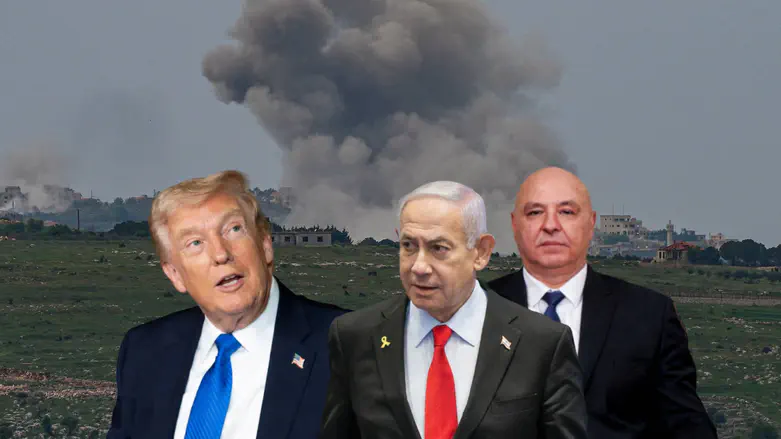
Leaders in Washington and Tehran are simultaneously claiming victory. The United States defence secretary described the outcome as a decisive and historic military triumph, while Iran’s leadership has portrayed the ceasefire as proof of its growing regional power. Such competing narratives highlight the political pressures facing both governments at home.
Supporters of President Donald Trump argue that significant military damage forced Iran to negotiate, while Iranian officials contend that their continued missile capabilities and control over key waterways compelled the United States to the table. Iran’s proposals reportedly include recognition of its military control of the Strait of Hormuz, reparations, sanctions relief and the release of frozen assets. These demands appear as difficult for Washington to accept as American terms would be for Tehran, leaving the durability of the truce in doubt.