
 image sourced from original article at
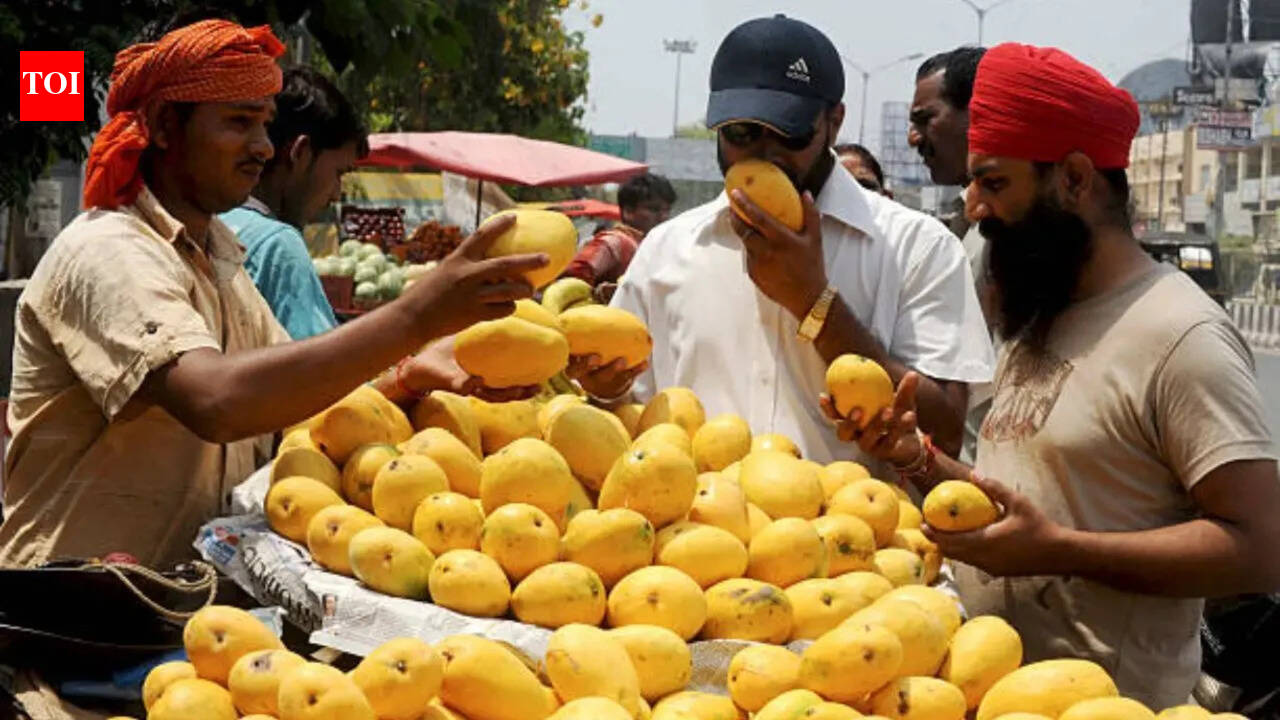
 India produces nearly half of the world’s mangoes, growing more than 1,500 varieties and harvesting over 24 million metric tons each year. Yet it exports only about 1 percent of its fresh supply, leaving global consumers wondering why the ‘King of Fruits’ is so hard to find abroad. The topic recently went viral online, with many expressing disbelief that such a large share of the crop is consumed domestically.
Social media users from around the world reacted with humor and envy, while many Indians proudly claimed they eat hundreds of mangoes each season. For many in the country, mangoes are more than a fruit; they are deeply woven into culture, rituals, family traditions, and childhood memories. From juices and pickles to festive dishes, mangoes are a defining feature of the summer season.
Economically, the pattern reflects strong domestic demand rather than missed opportunity. India’s mango market is valued at billions of dollars and continues to grow, supported by its population of 1.4 billion people. Exporting fresh mangoes also involves high transportation costs and strict international safety requirements, which make overseas sales less competitive compared to local distribution.
While India remains a minor player in the global fresh mango trade, it dominates the mango pulp market, supplying more than half of global output. For now, much of the world may have to travel to India to fully experience its famed varieties, as most of the harvest stays within the country’s borders.