 image sourced from original article at
 The article explores what it describes as the essence of Israeli resilience, illustrated by scenes in which families rush to bomb shelters during missile attacks and then return to celebrating weddings hours later. This rapid shift from fear to normalcy, the author argues, reflects a deeply ingrained national instinct to rebuild and resume daily life despite ongoing threats.
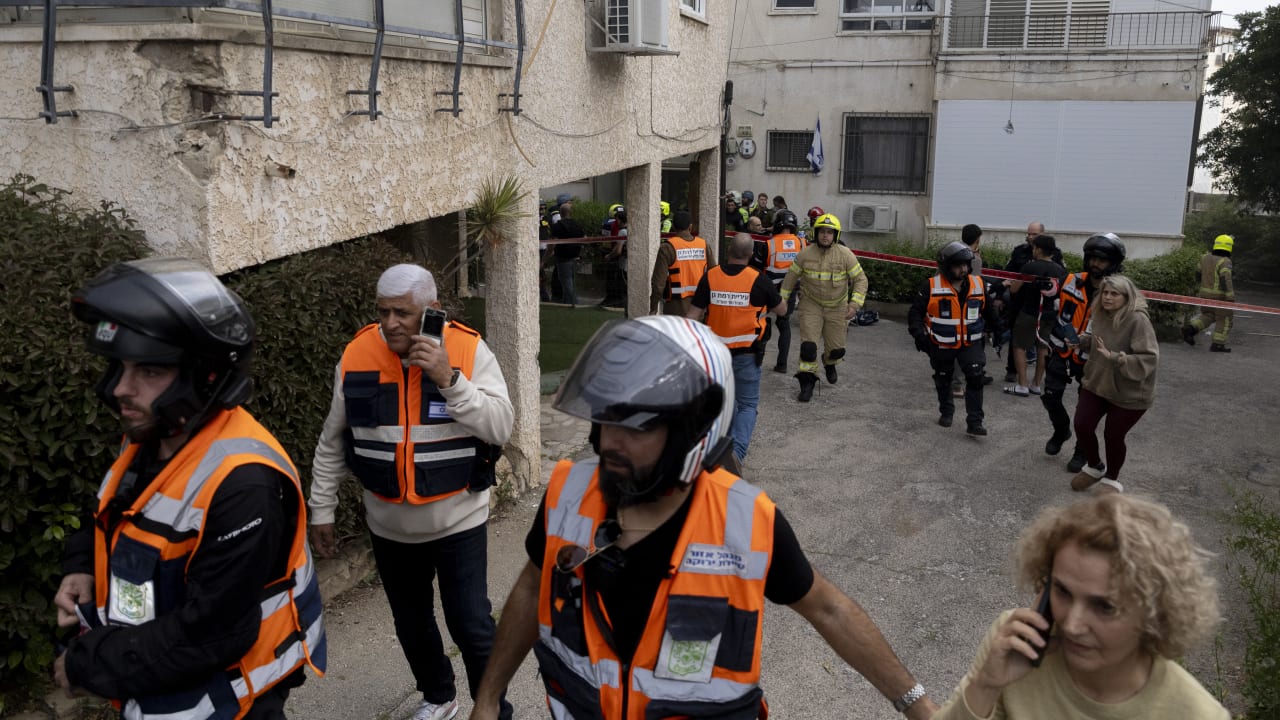
Unlike countries where battlefields are distant, many Israeli soldiers defend areas within sight of their own homes, blurring the line between civilian and military life. Communities routinely restore damaged streets, reopen schools, and return to work within days of attacks, signaling what the author portrays as a collective refusal to grant enemies a psychological victory.
The commentary attributes this resilience to a blend of historical experience, national identity, and shared responsibility. Drawing on centuries of persecution and decades of conflict since statehood, Israelis are described as deriving meaning less from comfort and more from purpose, family, and communal contribution.
While acknowledging the heavy psychological toll of repeated wars, including widespread trauma among soldiers and civilians, the author maintains that resilience in Israel is defined not by the absence of pain but by the determination to continue living, rebuilding, and supporting one another in the face of persistent danger.