 image sourced from original article at
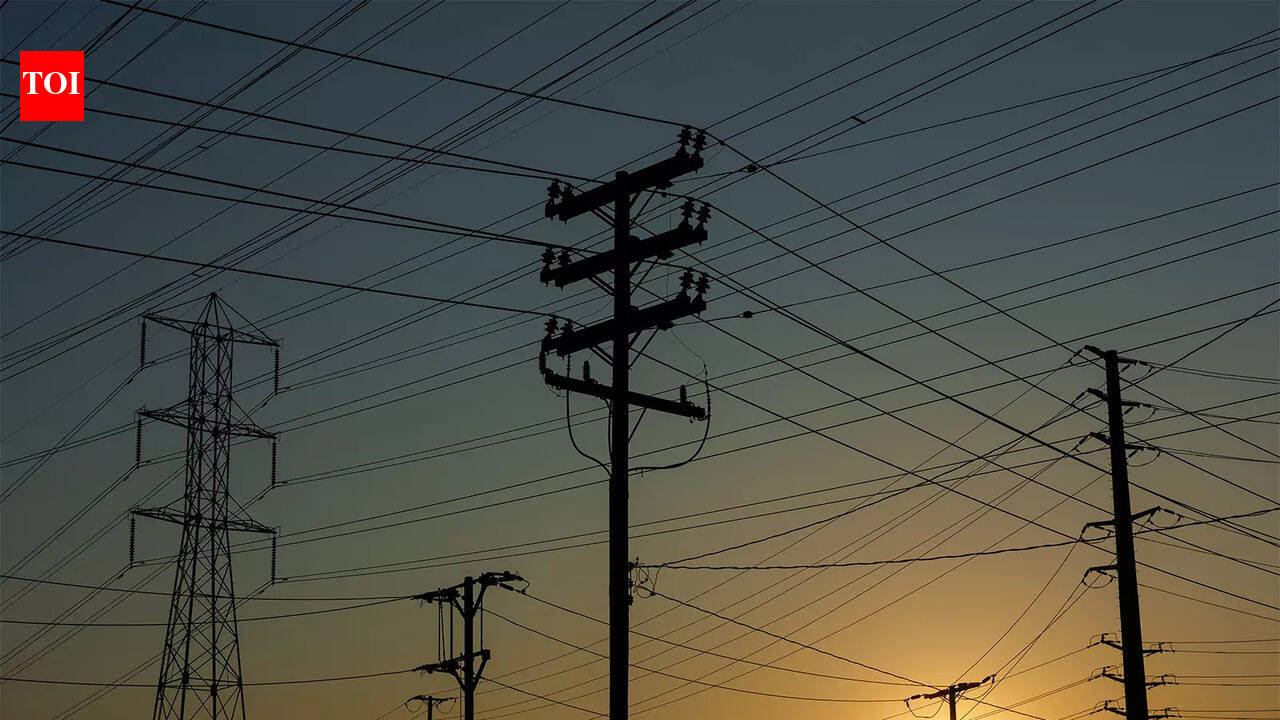
 Electricity shortages are spreading across Pakistan as disruptions in the Strait of Hormuz choke global oil and gas supplies. The ongoing Middle East conflict has strained fuel availability, leading to a power deficit of 4,500 megawatts during peak evening demand, roughly a quarter of the country’s total electricity needs. Households, including those working from home, are increasingly affected by extended outages.
Power cuts have intensified in recent days, with some urban areas experiencing more than two hours of evening outages. In rural regions, electricity disruptions have reportedly stretched up to 14 hours. Reduced hydropower generation has further compounded the crisis, deepening the strain on the national grid.
Industrial activity has also been hit hard, with factories facing up to eight hours of load shedding. Business leaders warn that prolonged outages will damage exports and local manufacturing. Pakistan relies heavily on Qatar for liquefied natural gas imports used in electricity generation, and suspended exports have tightened supplies. Authorities are considering purchases from the spot market, though high global prices remain a challenge.
Amid the energy crunch, now in its seventh week, the government has secured 3 billion dollars in financial support from Saudi Arabia to help stabilize its finances and meet repayment obligations to the United Arab Emirates. While diplomatic efforts between the United States and Iran show tentative signs of progress, uncertainty continues to weigh on energy markets and Pakistan’s power supply.