
 image sourced from original article at
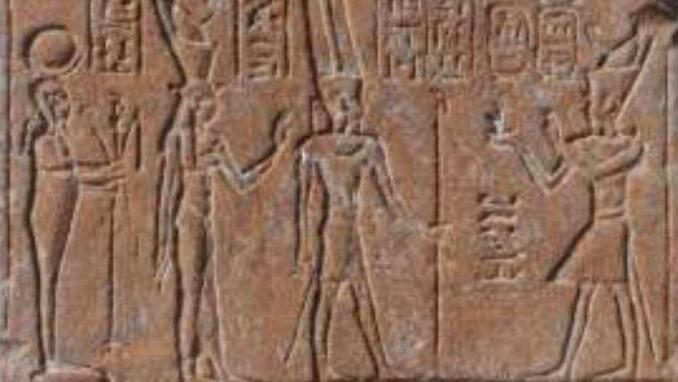
 A 2,000-year-old stone slab depicting Roman Emperor Tiberius as an Egyptian pharaoh has been uncovered during restoration work at the Karnak Temple complex in Luxor. The artifact, known as a stela, features the emperor in traditional Egyptian style, reflecting how Roman rulers were represented in religious contexts.
By the time Tiberius ruled from 14 to 37 of the common era, Egypt had been under Roman control for more than four decades. As emperor, he was expected to uphold the principles of maat, the ancient Egyptian concept of cosmic order, justice and balance, which was personified as a goddess.
The discovery highlights how Roman leaders adopted Egyptian religious imagery and traditions to legitimize their authority and maintain continuity within the province’s longstanding spiritual and cultural practices.