 image sourced from original article at
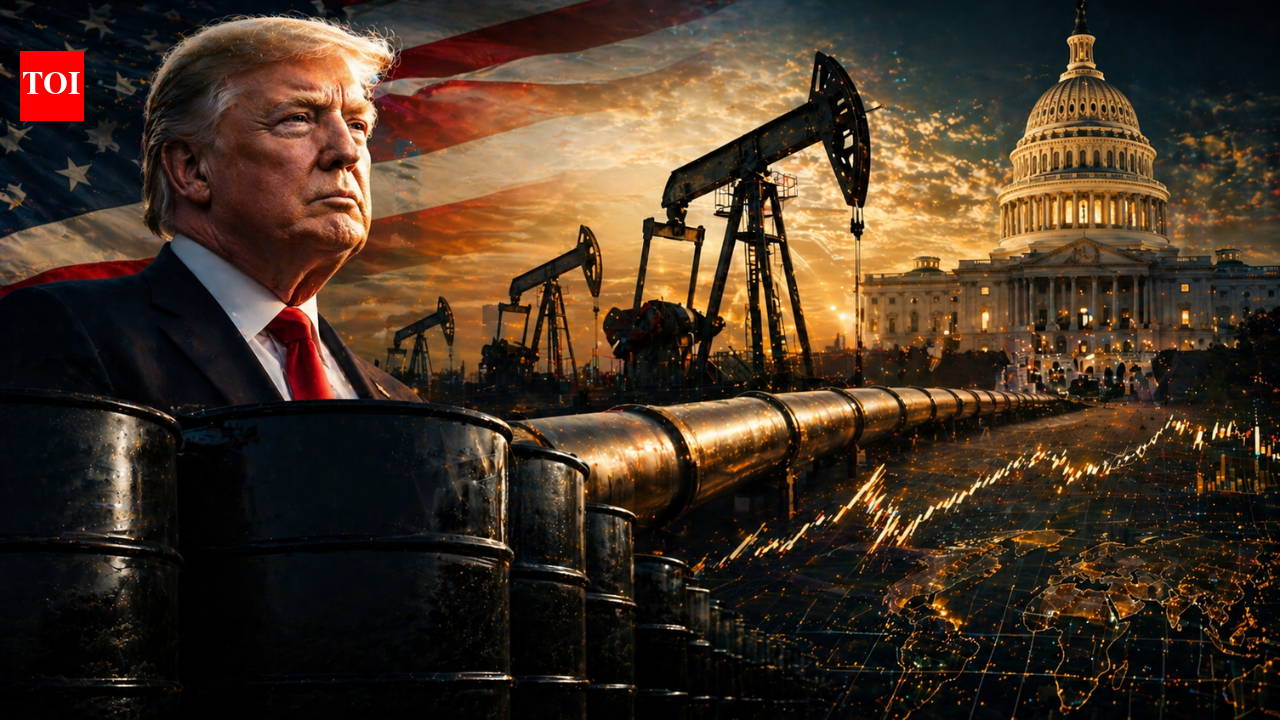
 President Donald Trump's second term has placed oil at the centre of American economic and foreign policy, transforming campaign promises into a coordinated strategy of expanded drilling, deregulation and geopolitical leverage. Backed by hundreds of millions of dollars in support from oil and gas interests during the 2024 election cycle, the administration has accelerated federal drilling permits, expanded offshore approvals and rolled back environmental rules. The United States has sustained near record crude and natural gas production, while boosting export capacity to strengthen its position as a dominant global supplier.
Beyond domestic production, the administration has used sanctions and trade pressure to reshape global energy flows. Tighter restrictions on Russian exports, intervention in Venezuela's oil sector and disruptions linked to conflict near the Strait of Hormuz have limited competing supplies, driving buyers toward American crude. As a result, exports of oil and refined fuels have surged to historic highs, particularly to Europe and Asia, reinforcing the country's influence over energy dependent economies.
This strategy has also been deployed in trade negotiations, notably with India, where tariffs and sanctions pressure coincided with a decline in Russian oil purchases and a rise in American imports. Long term supply agreements with Asian and European partners have further institutionalised demand for American energy. Together, these moves form a broader doctrine in which energy dominance serves not only economic goals but also diplomatic and strategic leverage.