 image sourced from original article at
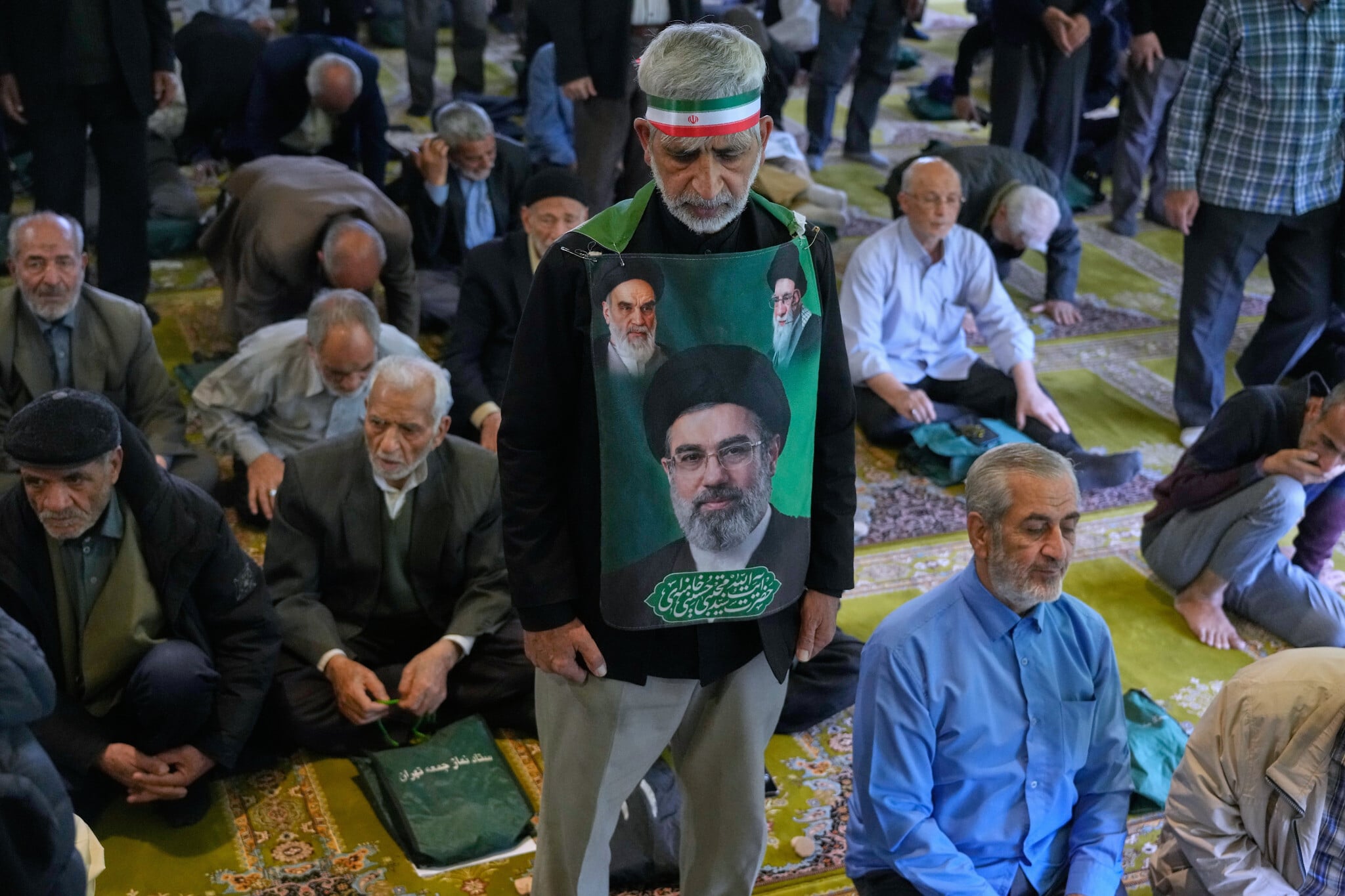
 Iran’s power structure has shifted dramatically two months into its war with the United States and Israel, following the killing of Supreme Leader Ayatollah Ali Khamenei. Although his wounded son Mojtaba Khamenei has been elevated to the top position, insiders say he largely legitimizes decisions made by senior commanders rather than directing policy himself. The long‑standing model of clerical supremacy has given way to a wartime system dominated by security institutions.
Real authority now rests with the Islamic Revolutionary Guard Corps and a tight inner circle centered on the Supreme National Security Council and the supreme leader’s office. Military commanders are shaping both battlefield strategy and political negotiations, while diplomats play a secondary role. Analysts say delays in responding to mediation efforts reflect a collective decision‑making process rather than internal divisions.
The growing dominance of the Guards has hardened Iran’s stance in talks with Washington, particularly over the nuclear issue and regional security. With neither side eager to appear weak, prospects for compromise remain slim. Despite sustained military and economic pressure, Iran’s leadership has shown cohesion, signaling a decisive shift from clerical rule to security‑driven governance that is likely to influence both foreign and domestic policy.