 image sourced from original article at
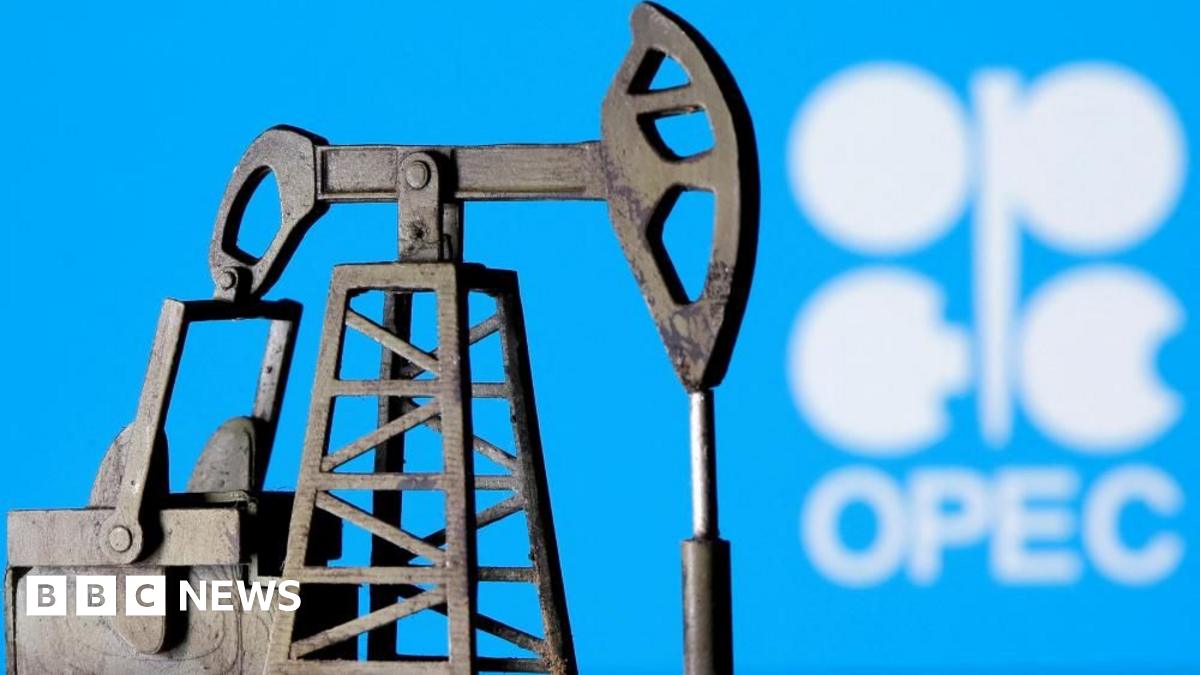
 The United Arab Emirates' potential exit from the Organization of the Petroleum Exporting Countries could weaken the group's influence over global oil prices. Since 2016, the organization has worked with 10 additional producers, including Russia, in a broader alliance to coordinate output and manage supply in response to market conditions.
The group seeks to stabilize or steer prices by adjusting production levels. Increasing output can help lower prices by boosting supply, while cutting production aims to raise prices when demand weakens. One of the most dramatic examples of its influence came in 1973, when Arab producers imposed an oil embargo during the Yom Kippur war, sending prices sharply higher and triggering fuel shortages. Another major shock followed in 1979 during the Iranian Revolution.
More recently, the alliance reduced production sharply during the coronavirus pandemic to counter collapsing demand and falling prices. After Russia's full-scale invasion of Ukraine in 2022, the group initially moved cautiously to raise output before later cutting production again, underscoring its ongoing but sometimes measured role in shaping the oil market.