 image sourced from original article at
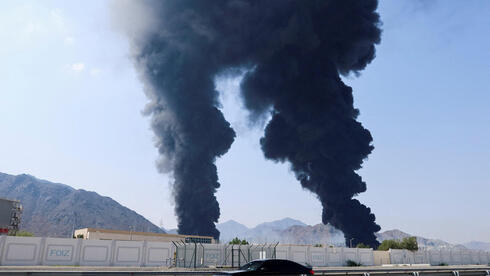
 Iran has intensified its threats to Gulf energy routes, launching a barrage of twelve ballistic missiles, three cruise missiles and four unmanned aerial vehicles toward Gulf states. Despite the strikes, Tehran continues to claim dominance over the Strait of Hormuz, a vital maritime corridor for global oil shipments, and signals it intends to leverage control of the waterway for economic and strategic gain.
Iranian officials are now casting attention on Saudi Arabia's East West pipeline, describing it as the primary alternative to the Strait of Hormuz for transporting oil. Analysts warn that by highlighting this route, Tehran is broadening its scope of potential targets and increasing pressure on Gulf energy infrastructure beyond maritime channels.
The escalation follows recent military operations referred to as Roaring Lion and Epic Fury by officials in the United States. Experts caution that Iran's expanding threats could heighten regional instability and disrupt global energy markets if critical infrastructure becomes a direct target.