 image sourced from original article at
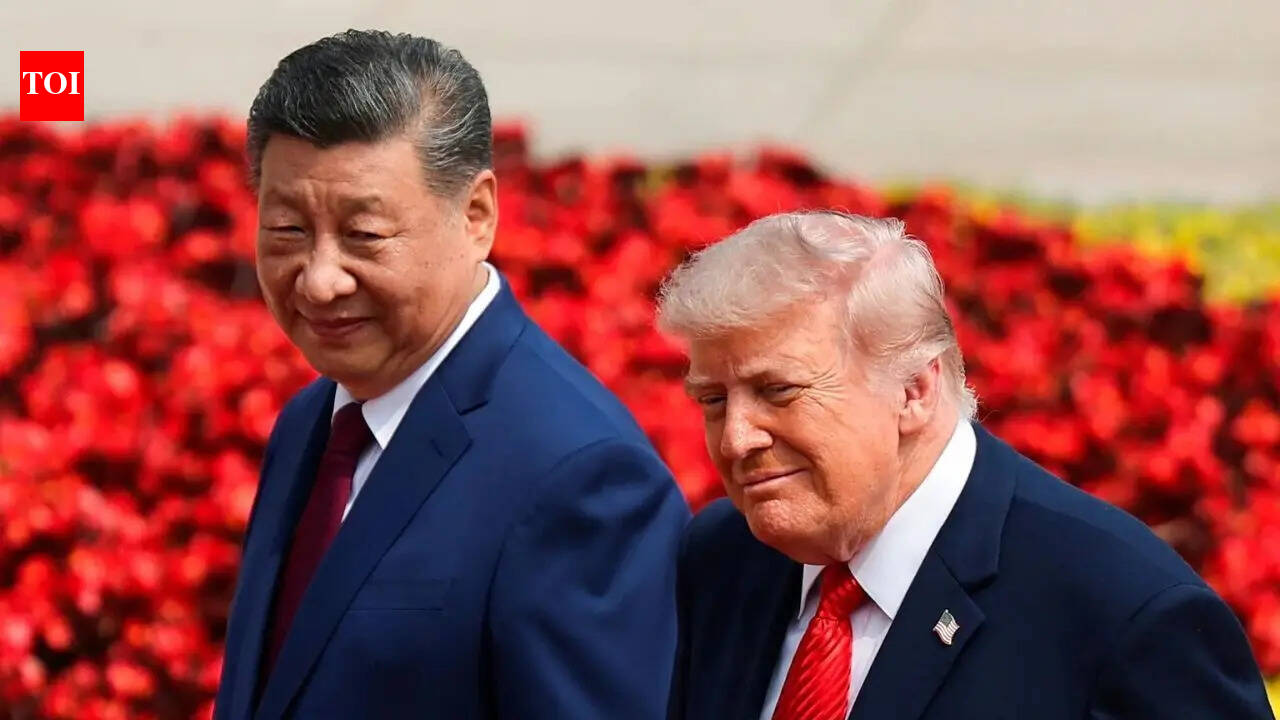
 President Donald Trump's visit to Beijing unfolded as a vivid display of shifting global power dynamics, with China's leader Xi Jinping projecting confidence and parity rather than deference. Xi warned against mishandling Taiwan and invoked the idea that conflict can arise when a rising power challenges an established one, signaling that Beijing expects Washington to adjust to a new geopolitical reality. Trump, in contrast, emphasized trade, agricultural sales and future business cooperation, offering praise and optimism about bilateral ties.
Official summaries from both sides revealed stark differences in priorities. China highlighted firm red lines on Taiwan and opposition to military escalation, while the United States focused on economic collaboration and market access. The contrast reinforced a growing perception among analysts that Beijing is increasingly dictating the terms of engagement, while Washington seeks stability after trade disputes and supply chain pressures failed to significantly alter China's trajectory.
Recent intelligence assessments have further underscored China's expanding global influence, from arms sales in the Middle East to energy support for partners during regional disruptions. As Beijing deepens its footprint across Africa and other regions, longstanding alliances of the United States appear strained. The carefully staged summit ultimately reflected more than diplomatic ceremony; it signaled a world order in which China speaks with mounting authority and the United States shows greater willingness to accommodate that rise.