
 image sourced from original article at
 Iran is signalling a new phase in its confrontation with the United States and regional rivals by threatening to target undersea internet cables in the Strait of Hormuz. After months of using the vital oil shipping lane as leverage, Iranian lawmakers and state-linked media have discussed imposing fees and regulatory controls on fibre-optic cables that pass through the waterway, a move that could affect major global technology companies.
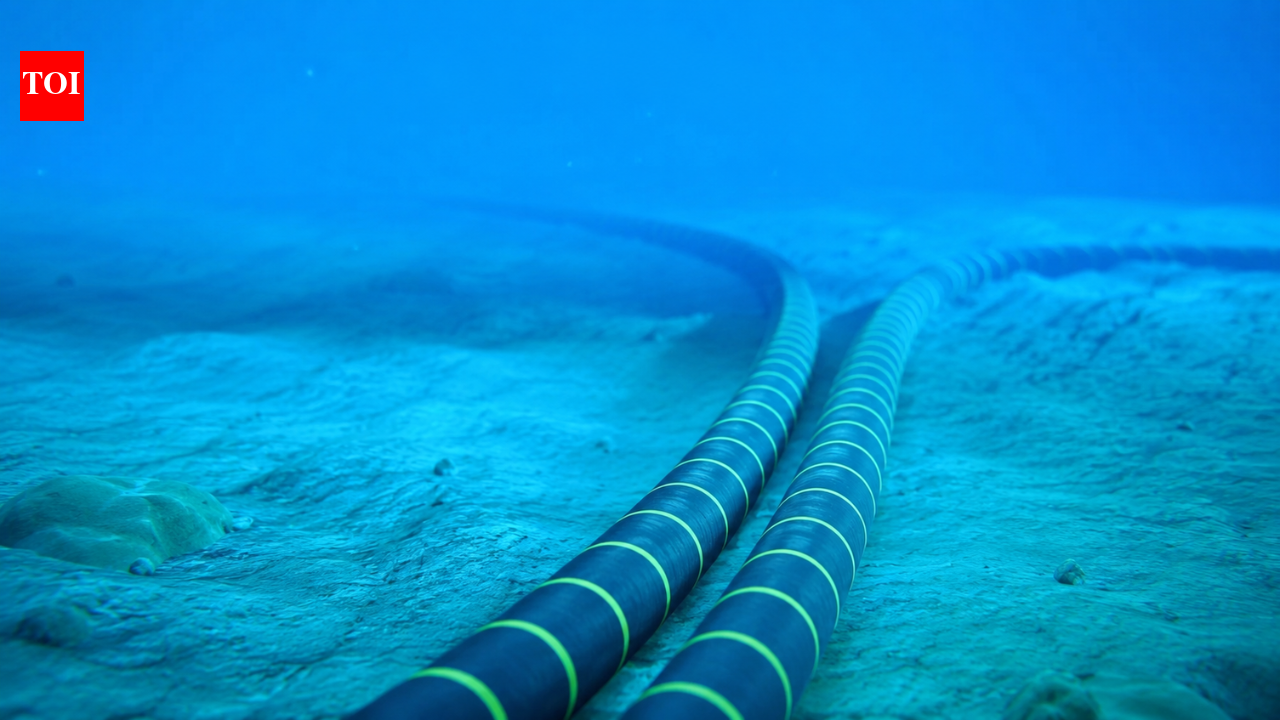
The Strait of Hormuz is not only a critical energy corridor but also a key route for global internet traffic, linking Europe, Asia and the Middle East. Iranian officials have suggested that companies operating the cables would need to comply with Iranian laws, pay licensing charges and rely on Iranian firms for maintenance. State media have also highlighted the vulnerability of the cable network, warning that damage could cause widespread internet disruptions across the Persian Gulf.
The proposal comes amid ongoing tensions involving Iran, the United States and Israel, despite a fragile ceasefire reached in April. Washington has warned Tehran to move quickly in stalled nuclear discussions, while Iranian officials have cautioned Gulf states against supporting American and Israeli operations. The dispute has added to volatility in energy markets and raised concerns about the security of both physical and digital infrastructure in the region.