 image sourced from original article at
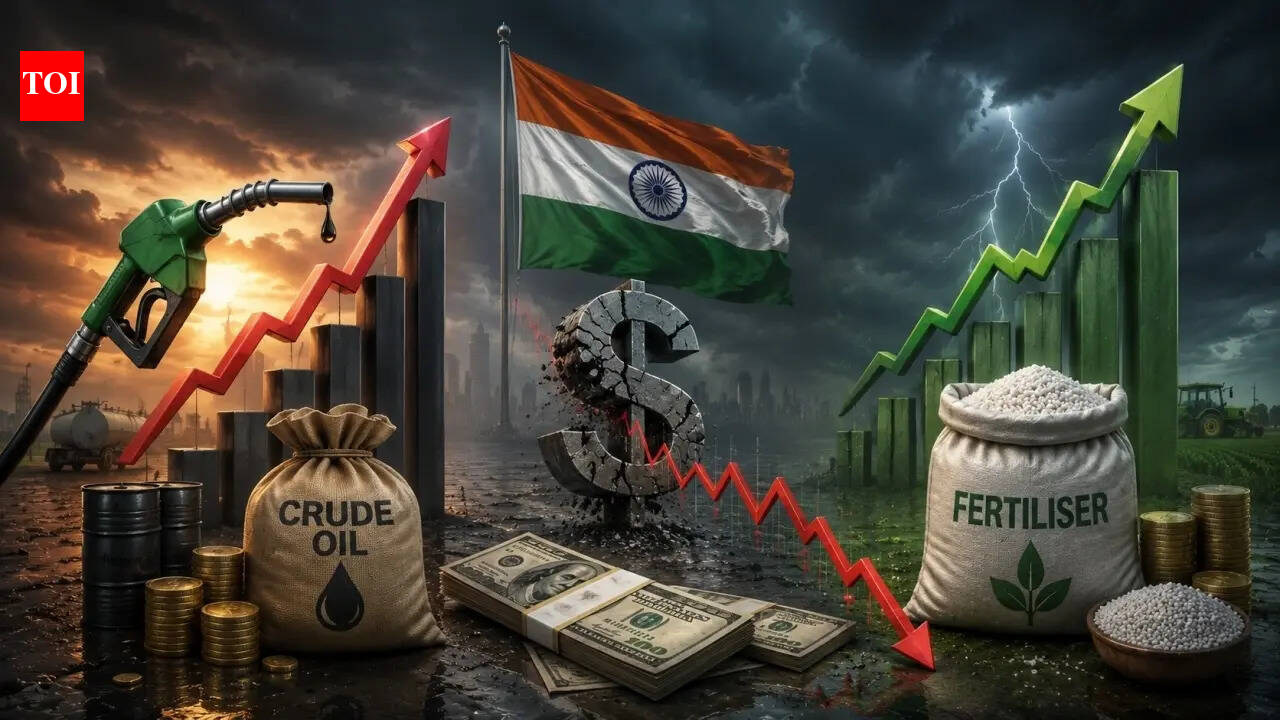
 India is beginning to feel the economic strain of the ongoing conflict between the United States and Iran, with Finance Minister Nirmala Sitharaman highlighting the need to closely monitor three critical areas: fuel, fertilisers and foreign exchange. She said the government’s response has been carefully calibrated to protect growth, even as recent cuts in excise duties on petrol and diesel are expected to reduce revenue significantly. Economists warn that a prolonged conflict could deepen the impact on inflation, public finances and external stability.
Rising global crude oil prices have led to repeated increases in petrol, diesel, cooking gas and compressed natural gas prices, pushing fuel rates to their highest levels in two years. Higher energy costs are feeding into retail and wholesale inflation, raising transportation and logistics expenses across the economy. The surge in oil prices has also put pressure on the rupee and widened concerns about the current account balance.
Fertiliser prices have also climbed sharply, increasing the government’s subsidy burden ahead of the crucial monsoon sowing season. India relies heavily on fertiliser imports, and higher global prices could raise the subsidy bill far above budgeted levels, straining public finances despite adequate domestic stocks and ongoing production.
Foreign exchange reserves, which act as a buffer against external shocks, have declined in recent weeks as authorities intervened to support the rupee amid capital outflows and rising oil import costs. Although reserves remain among the largest globally and are considered sufficient to manage near-term volatility, policymakers have urged citizens to conserve fuel, limit overseas travel and reduce gold purchases to ease pressure on external balances.