 image sourced from original article at
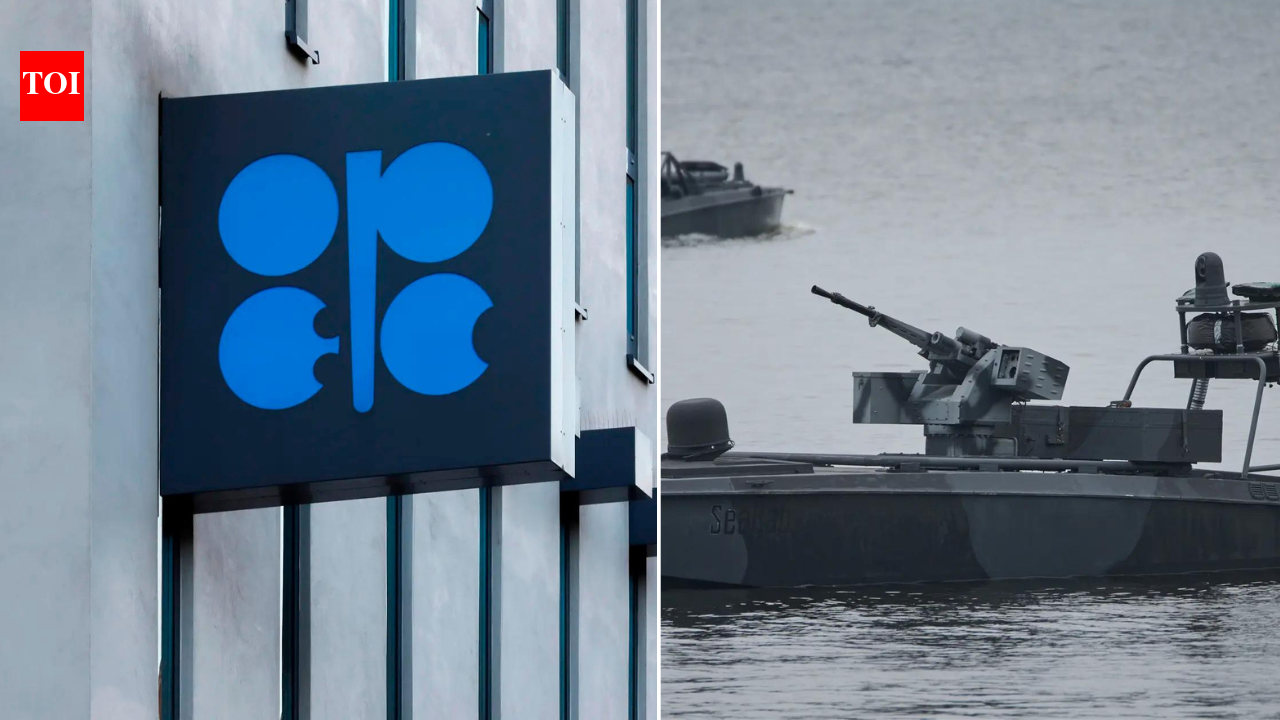
 The United Arab Emirates has announced it will leave the oil producers group by May 1, a move that could reshape energy politics in the Middle East. Frustrated by production quotas, tensions with Saudi Arabia, and security concerns amid Iranian attacks and disruptions in the Strait of Hormuz, Abu Dhabi appears to be recalibrating its strategic posture. The decision may allow it to increase oil output independently and signals shifting regional alliances.
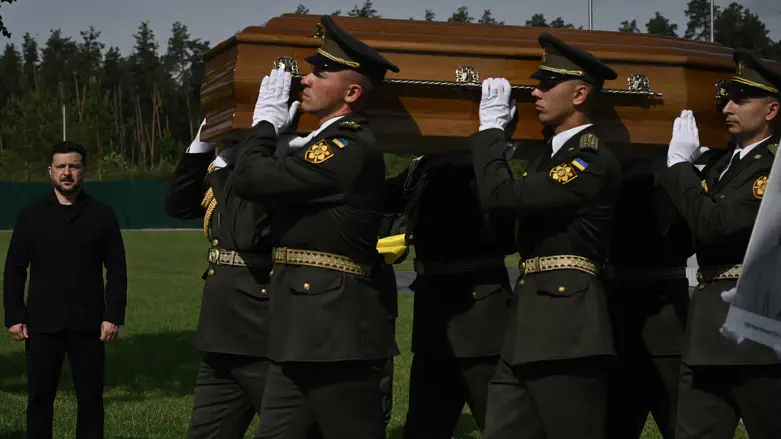
In the Russia-Ukraine war, Moscow is scaling back its Victory Day military parade amid fears of Ukrainian strikes deep inside Russian territory. Kyiv has intensified drone and missile attacks on Russian infrastructure, particularly energy facilities, while continuing to press for a longer-term ceasefire that Moscow has rejected. The conflict remains entrenched as both sides trade strikes, with civilians continuing to bear the brunt.
King Charles the Third’s state visit to the United States helped repair strained transatlantic ties over disagreements بشأن the Iran conflict. Through carefully crafted speeches and public diplomacy, he reaffirmed shared democratic values and support for Ukraine, underscoring the British monarchy’s continued soft power role in advancing national interests.
Meanwhile, Syria opened its first transitional justice trial against a former senior official linked to the Assad regime’s crackdown on protesters, marking a tentative step toward accountability after years of civil war. In Africa, Taiwan’s president canceled a planned visit to Eswatini after several island nations denied overflight rights under pressure from China, highlighting Beijing’s expanding efforts to isolate Taipei diplomatically.