 image sourced from original article at
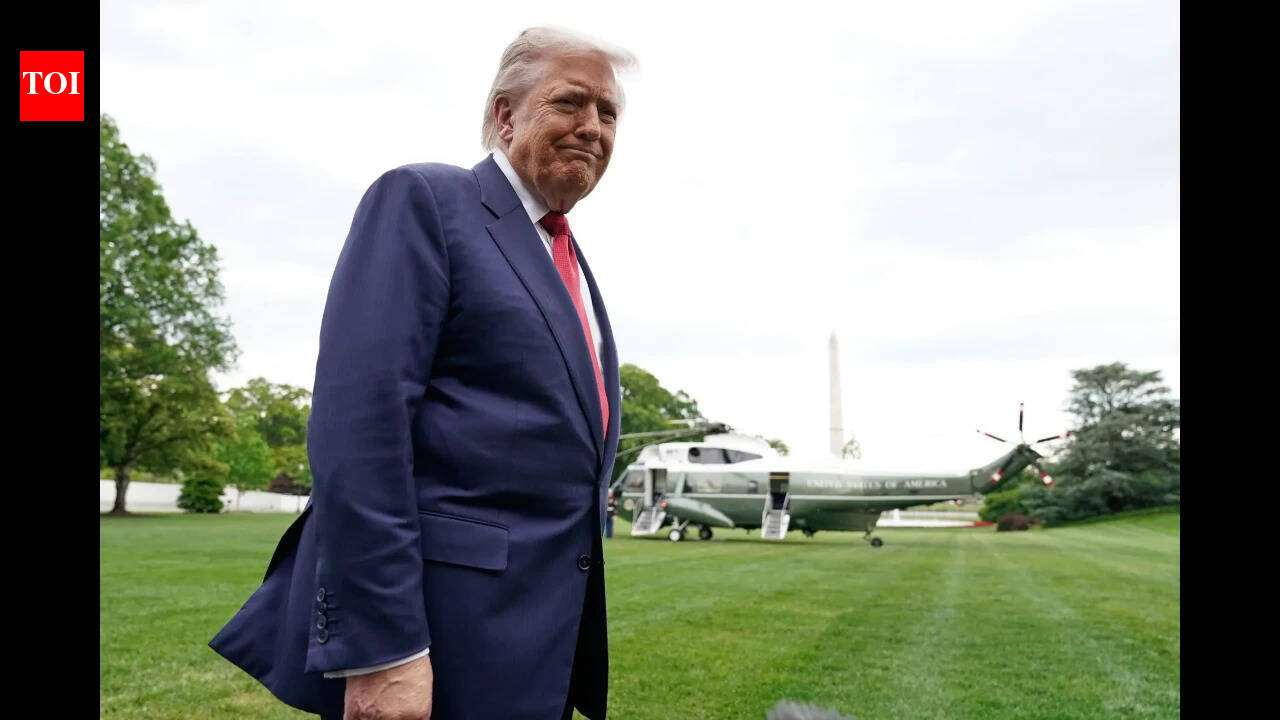
 Iran and the United States remain locked in a deepening standoff after both sides rejected each other's terms for ending the Middle East conflict. Tehran demanded the release of frozen Iranian assets, an end to the United States naval blockade of its ports, and a halt to the wider regional war. President Donald Trump dismissed Iran's counteroffer as 'totally unacceptable,' raising fears of renewed open conflict and pushing global oil prices sharply higher.
Iran's foreign ministry said its demands reflected the country's legitimate rights, including access to funds held in foreign banks. The dispute has complicated efforts to reopen the Strait of Hormuz to commercial shipping, a critical route for global energy supplies. Meanwhile, Israeli Prime Minister Benjamin Netanyahu insisted military operations would continue until Iran's nuclear facilities and enriched uranium stockpiles are dismantled or removed.
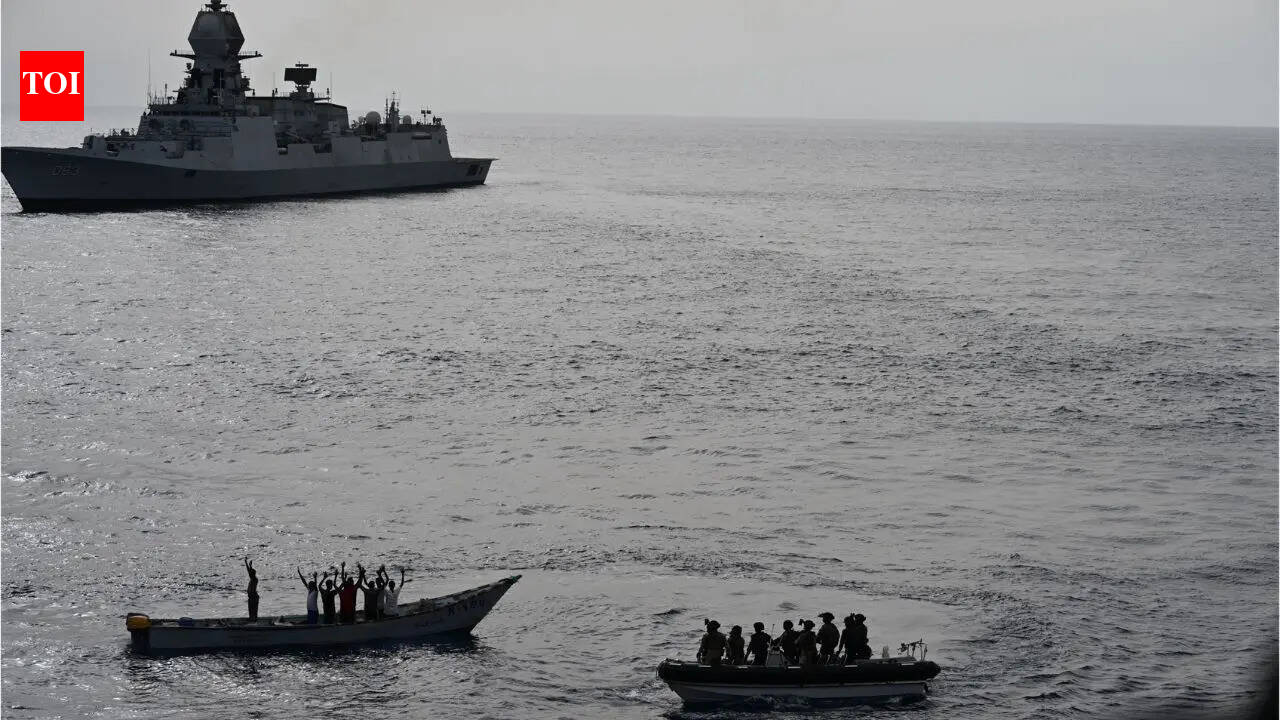
As diplomatic prospects fade, tensions have escalated in the Gulf. Drone incidents involving the United Arab Emirates, Kuwait and Qatar have heightened security concerns, while Iran has warned it will respond forcefully to any attacks on its vessels. The United States has maintained that Iranian control over the strategic waterway would be unacceptable, further entrenching the deadlock.