
 image sourced from original article at
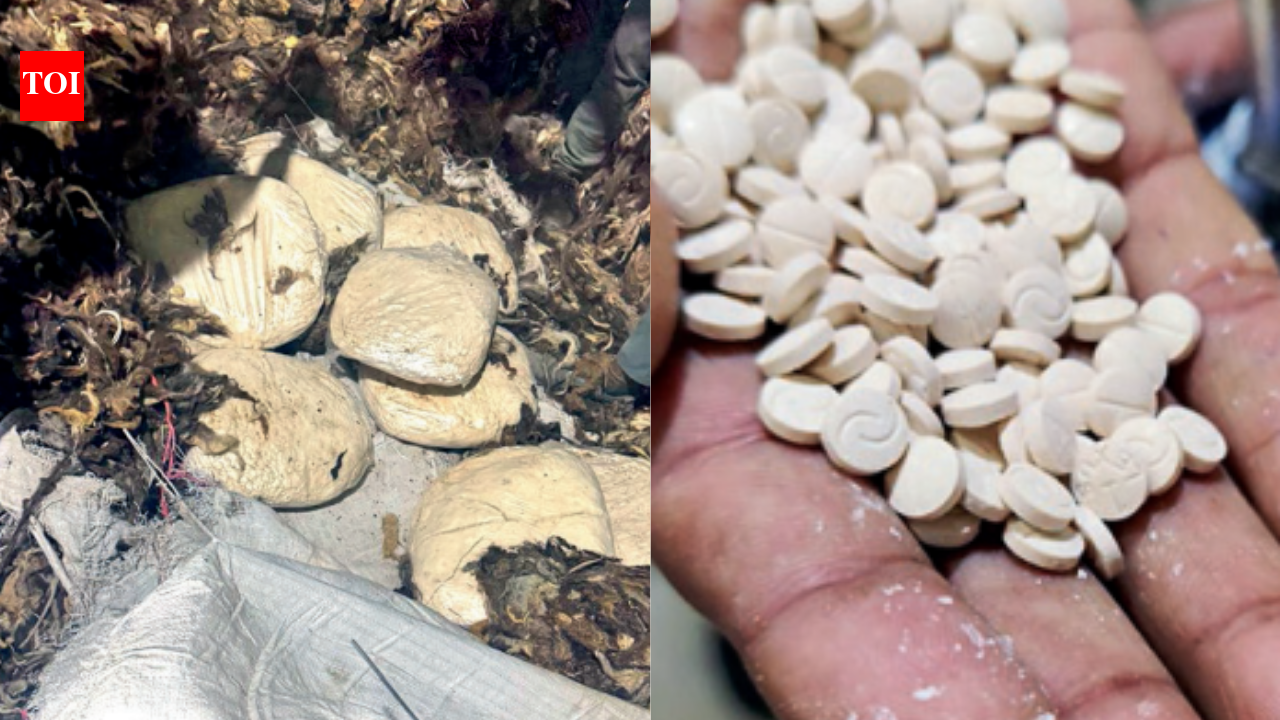
 Indian authorities have seized 228 kilograms of Captagon valued at Rs 182 crore in a major operation targeting a consignment bound for the Middle East. The drug, often referred to as the 'jihadi drug', is known for enabling users to stay awake for long periods, suppress fear and exhaustion, and increase aggression, making it prevalent in conflict zones.
The Union home minister said the seizure reflects India’s zero tolerance approach to narcotics and its commitment to preventing the country from being used as a transit route. A foreign national has been arrested in connection with the case, and officials described the operation as the first such seizure of Captagon in India.
Captagon was originally developed in the 1960s as a medical treatment but was later banned due to its addictive nature. Illicit versions today typically contain a mix of synthetic stimulants. International investigations have linked its trafficking to organised criminal and extremist networks in parts of West Asia, where the drug generates significant illegal profits.
Authorities say the Captagon trade has emerged as a major synthetic drug threat in the Middle East, involving clandestine laboratories, diverted precursor chemicals, informal money transfer systems, forged trade documents and complex trafficking routes. The drug remains in high demand across several countries in the region, contributing to repeated large-scale seizures worldwide.