 image sourced from original article at
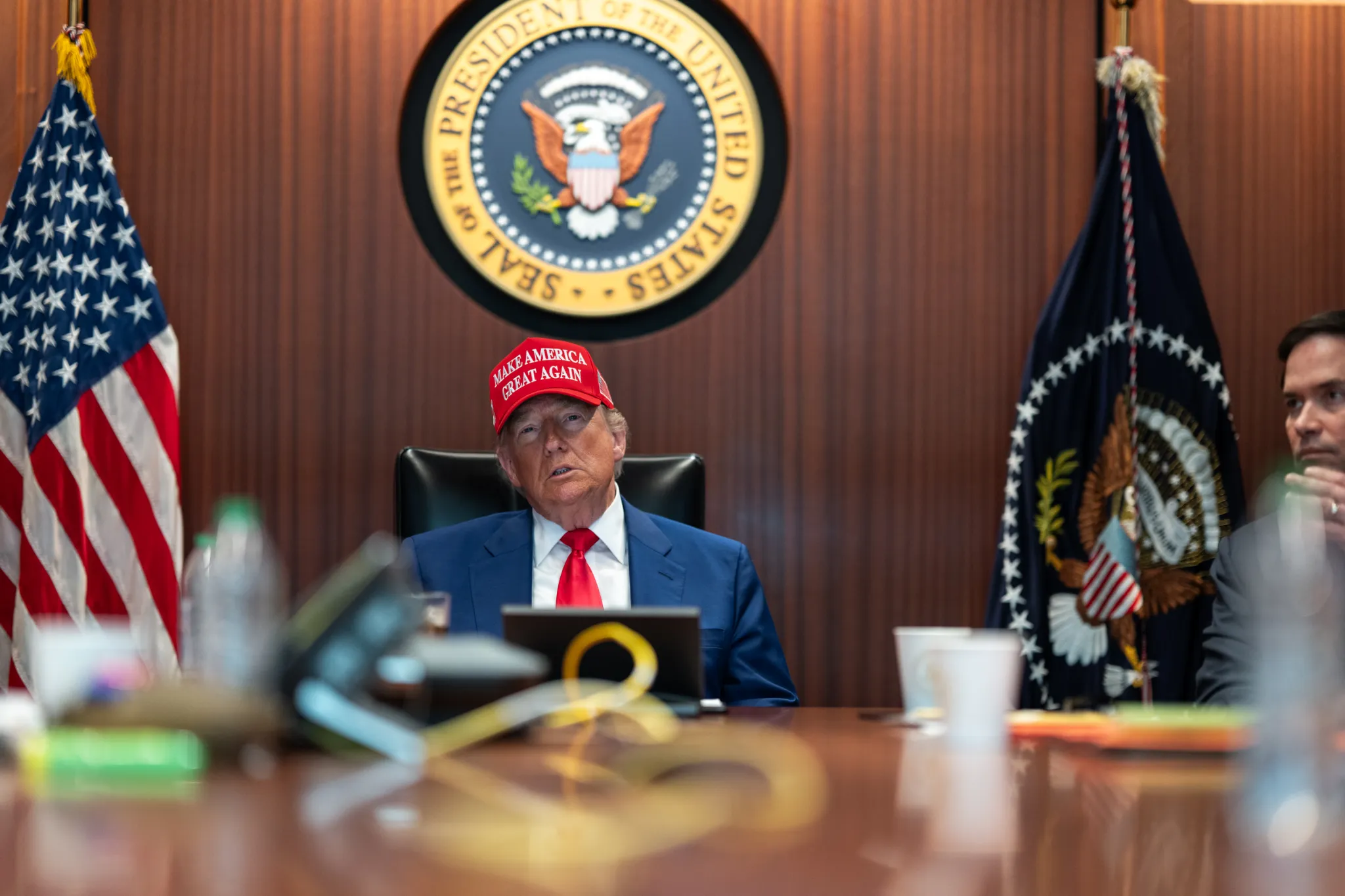
 President Donald Trump sharply criticized allied nations for refusing to assist the United States in recent military actions against Iran, particularly by denying overflight access and other support. In a social media post, he urged countries affected by disruptions in the Strait of Hormuz to purchase American energy or secure their own access, declaring that the United States would no longer step in to help those unwilling to stand alongside it. He framed the issue as a matter of reciprocity and resolve, arguing that allies must be prepared to defend shared interests.
Trump specifically called out France for blocking flights carrying military supplies to Israel, warning that such actions would not be forgotten. Defense Secretary Pete Hegseth echoed the president’s concerns, suggesting that the strength of the alliance depends on whether member nations are willing to provide meaningful backing when requested. He indicated that future decisions about collective defense would ultimately rest with the president.
The article portrays Trump’s stance as a blunt challenge to allied nations to demonstrate tangible support rather than rhetorical solidarity. It argues that the dispute exposes deeper tensions within the transatlantic partnership and raises questions about whether certain countries are prepared to share the risks of confronting common adversaries.