 image sourced from original article at
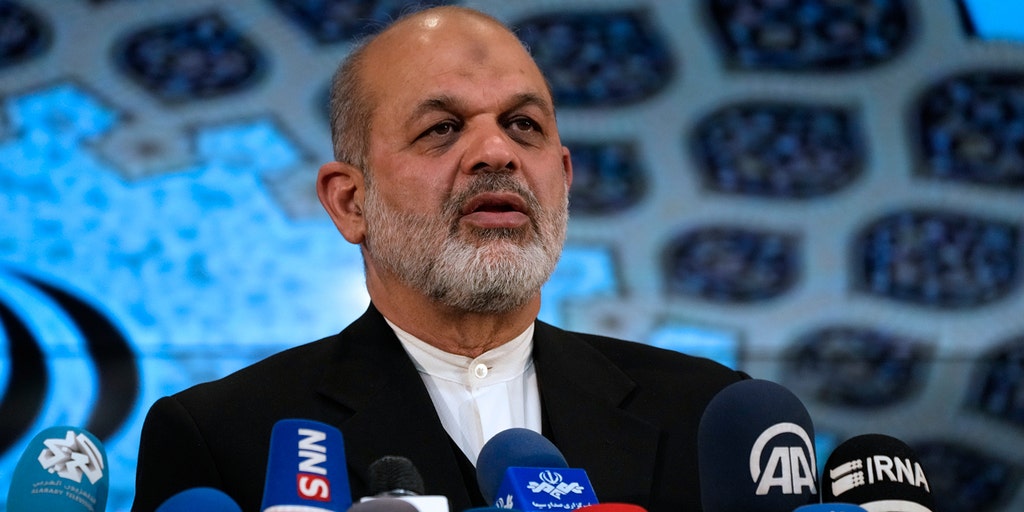
 Ahmad Vahidi has risen to lead Iran's Islamic Revolutionary Guard Corps at a pivotal moment, as tensions with the United States intensify and a fragile ceasefire hangs in the balance. Analysts say his elevation signals that hardline military figures, rather than civilian leaders, are increasingly shaping Tehran's decisions on war and diplomacy. His growing influence raises concerns about whether Iran will pursue renewed confrontation instead of negotiations.
Vahidi is a longtime commander tied to Iran's overseas military and intelligence operations. As a former leader of the elite Quds Force, he has been linked by Western and Argentine authorities to major attacks in Lebanon, Saudi Arabia, Yemen and Argentina, including the 1994 bombing of a Jewish community center in Buenos Aires. He has faced international arrest notices and multiple sanctions over alleged involvement in terrorism, nuclear and missile activities, and human rights abuses.
Experts describe Vahidi as one of the most radical figures within Iran's ruling establishment, warning that his leadership could deepen repression at home and increase the risk of attacks abroad. Some analysts argue that even if a ceasefire is reached, he may view it as a tactical pause rather than a genuine step toward peace, reinforcing fears that Iran's most militant faction is now firmly in control.