
 image sourced from original article at
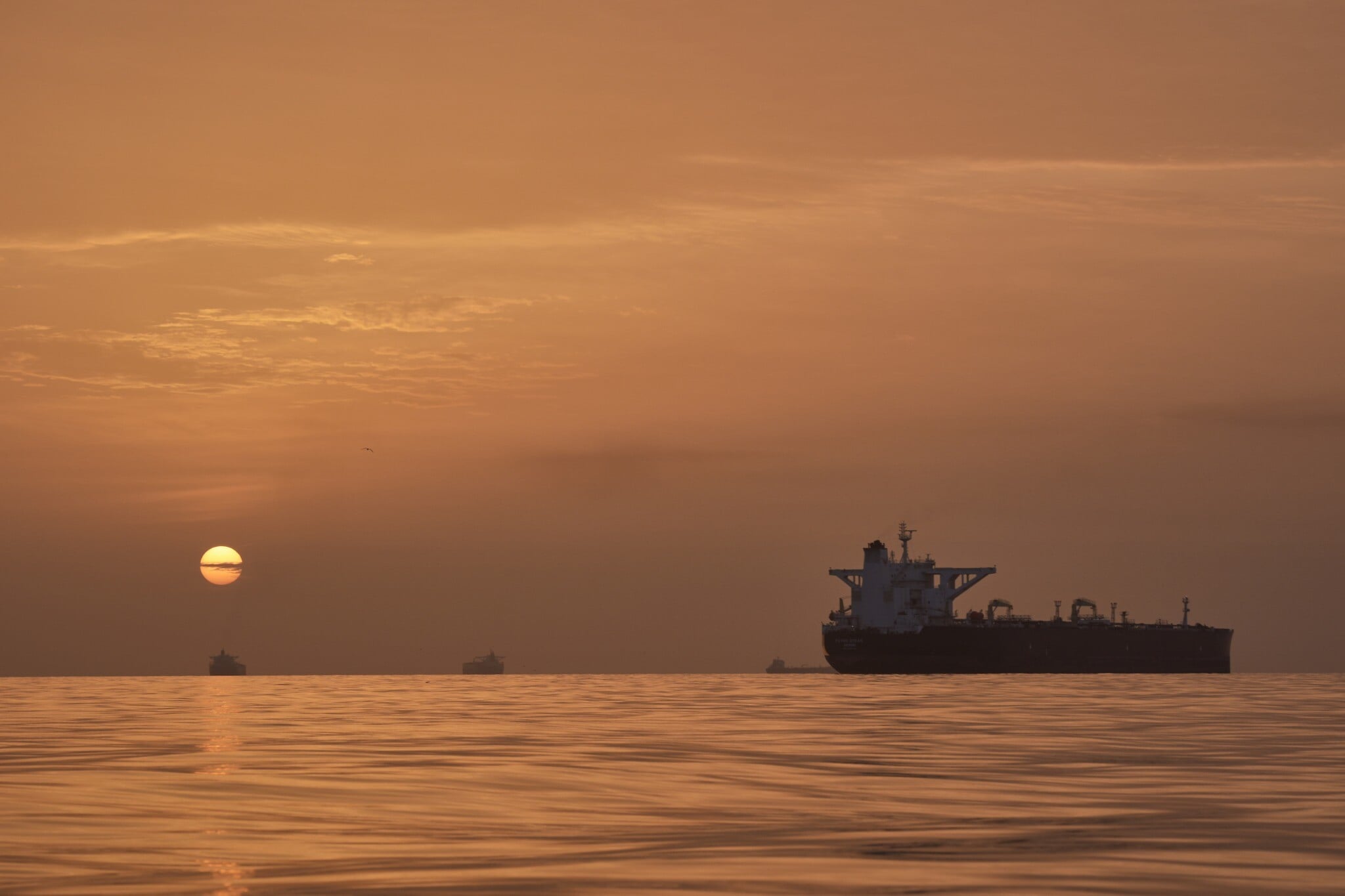
 Around 20,000 seafarers remain stranded in the Persian Gulf as the Strait of Hormuz stays effectively closed despite a fragile ceasefire between the United States and Iran. Hundreds of vessels, including oil, gas and cargo ships, have been unable to transit the vital waterway for nearly two months, sharply reducing maritime traffic through a route that normally carries about a fifth of the world's oil and liquefied natural gas.
Crew members describe watching drones, missile interceptions and nearby explosions from their decks as fighting unfolded around them. At least 10 seafarers have been killed since the conflict began, and several ships have been attacked or seized. Although a ceasefire was extended indefinitely, blockades and security threats, including reported sea mines and gunfire, have left most vessels unwilling or unable to attempt passage.
Many stranded sailors, including thousands of Indians and other nationalities, report food and water shortages, internet disruptions and mounting psychological strain. Families at home are growing increasingly anxious as unions and shipping companies field distress calls and try to arrange limited evacuations and resupply missions. Shipping firms say crew rotations remain difficult, with some incoming workers refusing assignments in what they consider a war zone.
International shipping authorities have called for a safe corridor through the strait, warning that there is currently no secure transit anywhere in the area. Industry leaders fear the prolonged crisis could worsen an existing shortage of skilled seafarers, as many may be reluctant to return to high-risk routes even after the conflict subsides.