 image sourced from original article at
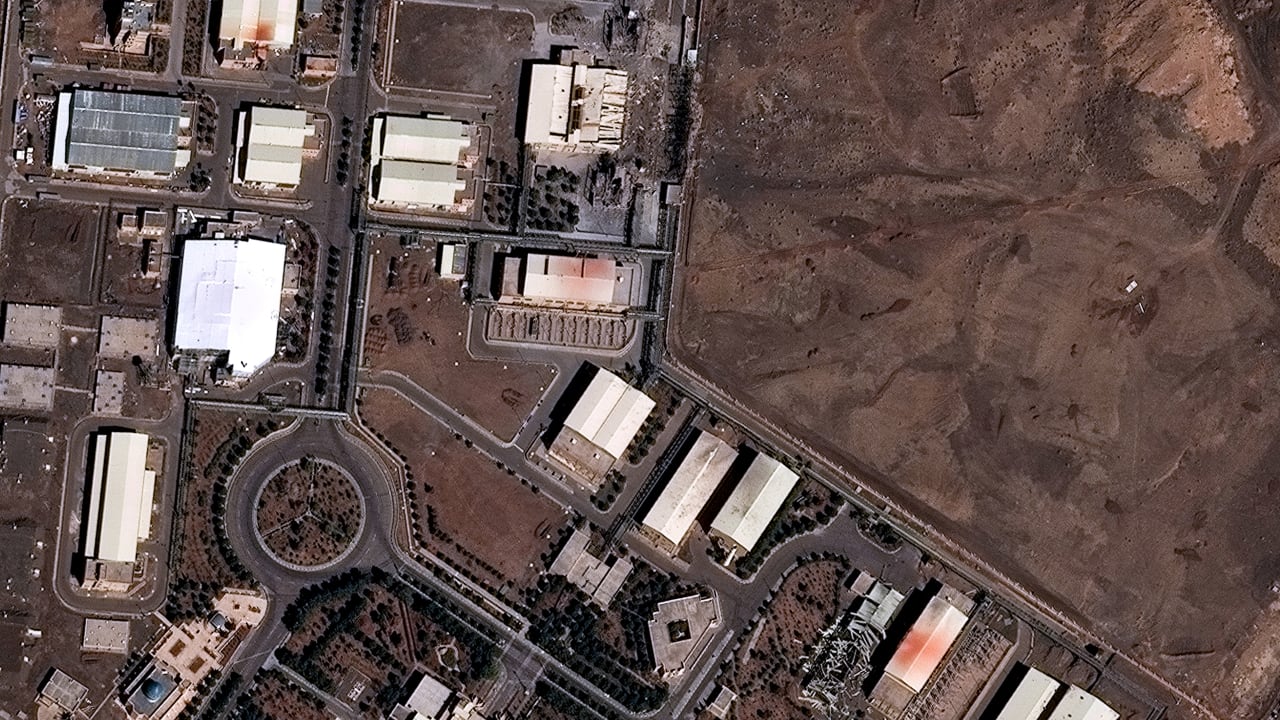
 Israel and the United States focused their military campaign against Iran on degrading the country’s nuclear weaponization capabilities rather than further damaging uranium enrichment facilities, according to an analysis by the Institute for Science and International Security. Satellite imagery showed limited new destruction at enrichment sites that had already been heavily damaged during the twelve day war in June 2025.
Instead, strikes concentrated on facilities linked to the development and assembly of nuclear weapons components. Among the key targets was the Min Zadai site, described by Israel as a partially underground 'nuclear headquarters' where scientists were working on critical weapons systems. Reports indicated the complex was involved in metallurgy work related to nuclear weapons cores.
Other sites targeted included Taleghan Two within the Parchin military complex, as well as several universities connected to weapons research. Malek Ashtar University and a nearby laboratory were heavily damaged, and Imam Hussein University was struck for hosting an underground research facility tied to advanced weapons and missile experimentation.
The institute concluded that the destruction of these weaponization related facilities likely set back Iran’s ability to produce a nuclear weapon by significantly extending the time required to complete such a program.