 image sourced from original article at
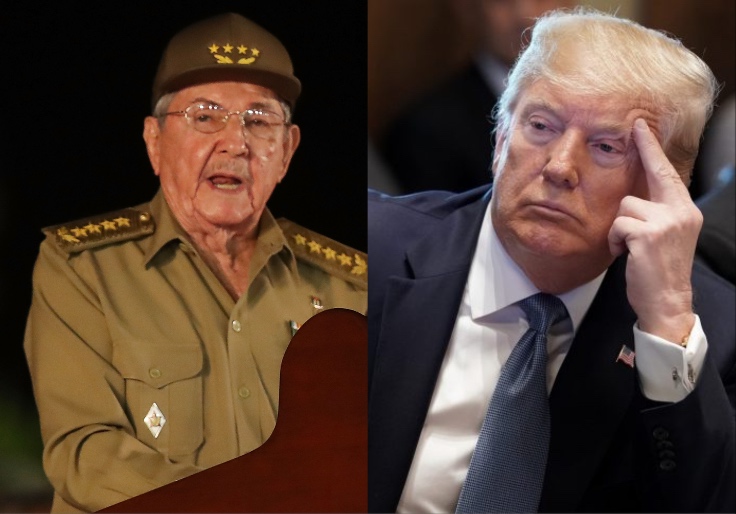
 President Donald Trump marked Cuba's Independence Day by warning Havana that time is running out to address United States concerns, as his administration increased pressure on the island's communist leadership. A United States aircraft carrier group arrived in the southern Caribbean, and the Justice Department announced charges against Raúl Castro and others for the 1996 shootdown of American civilian planes. Secretary of State Marco Rubio also offered humanitarian assistance to the Cuban people through non-government channels, signaling openness to a new relationship if conditions change.
The administration argues that Cuba has deepened security ties with Russia, China, Iran, and militant groups, posing renewed risks close to American shores. Reports of intelligence cooperation, drone transfers, and foreign military links have heightened alarm in Washington. At the same time, Cuba faces severe economic turmoil, with dwindling oil supplies, frequent blackouts, and growing public protests.
With Venezuelan support cut off and the economy faltering, the communist system appears increasingly fragile. Some observers believe this moment presents an opportunity for major political change, though any direct intervention would carry significant risks. Whether through regime change or negotiated reforms, the coming months could reshape relations between the two nations after decades of hostility.