
 image sourced from original article at
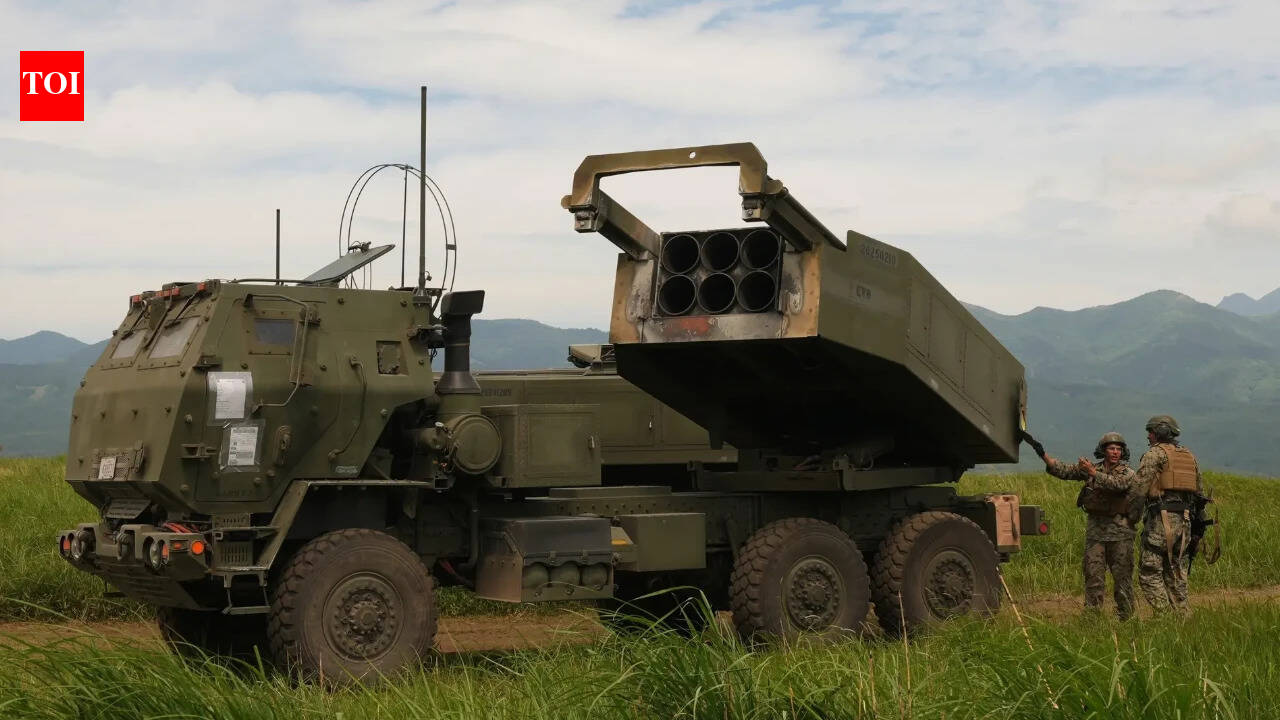
 The United States has intensified its focus on mobile missile launchers in the Indo-Pacific, staging a live-fire exercise at Camp Fuji in Japan to demonstrate how it plans to deter potential Chinese action against Taiwan. During the drill, United States Marines rapidly launched rockets before quickly relocating, highlighting a shift toward mobility and survivability in modern warfare. Japanese observers attended the exercise, underscoring close defence coordination between the two allies.
Military planners increasingly see truck-mounted systems such as the High Mobility Artillery Rocket System as essential in a տարածաշրջan where fixed bases and large platforms like aircraft carriers could be vulnerable to precision strikes. Recent conflicts in Europe and the Middle East have shown how drones and advanced surveillance make static positions easy targets, reinforcing the need for fast-moving, easily concealed units.
The system can fire Global Positioning System-guided rockets and longer-range precision strike missiles capable of hitting targets hundreds of miles away, allowing coverage of strategic waterways such as the Taiwan Strait and the Luzon Strait. United States officials say the drills are meant to signal readiness and strengthen partnerships, emphasizing deterrence through strength rather than provocation.