
 image sourced from original article at
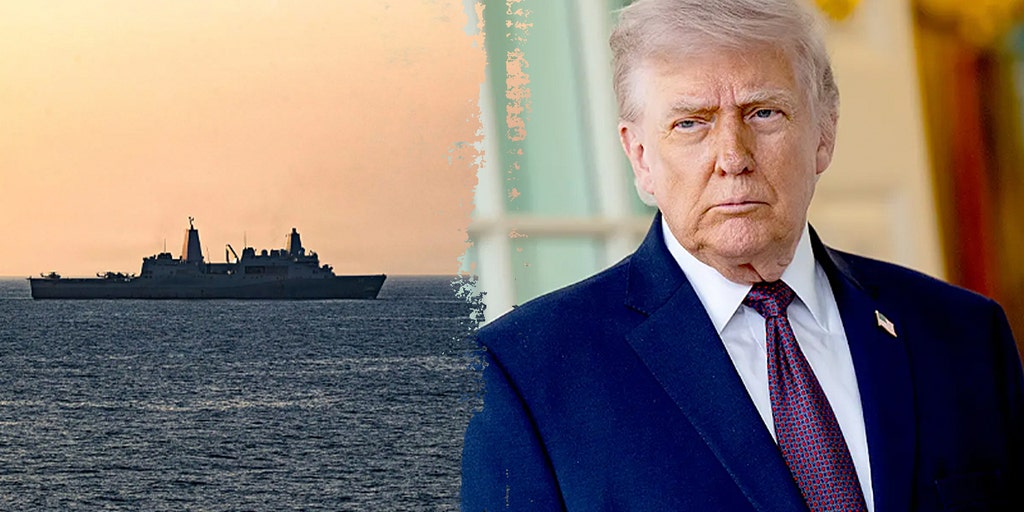
 President Donald Trump is expected to present the emerging Iran agreement as proof that military pressure forced Tehran back to negotiations and reopened the Strait of Hormuz. While United States and Israeli forces degraded Iranian air defenses, struck missile sites, and weakened proxy networks, the article argues that battlefield success does not automatically translate into lasting strategic gains.
The proposed framework would reopen the vital waterway and launch a sixty day negotiation over Iran’s nuclear program, including the disposal of its enriched uranium stockpile. However, key issues remain unresolved, including the sequencing of sanctions relief, the scope of enrichment limits, inspections, missile restrictions, and support for regional proxy groups. Critics warn that temporary arrangements could allow Tehran to preserve core capabilities while easing economic pressure.
The piece contends that Iran’s geographic leverage over global energy flows and its ability to endure internal and external pressure may outweigh the damage inflicted by airstrikes. It argues that unless negotiations produce permanent and verifiable limits, the regime could emerge intact, enrichment capable, and politically strengthened at home. Ultimately, the article maintains that the agreement should be judged not by rhetoric but by whether it delivers durable political outcomes once the negotiating window closes.