 image sourced from original article at
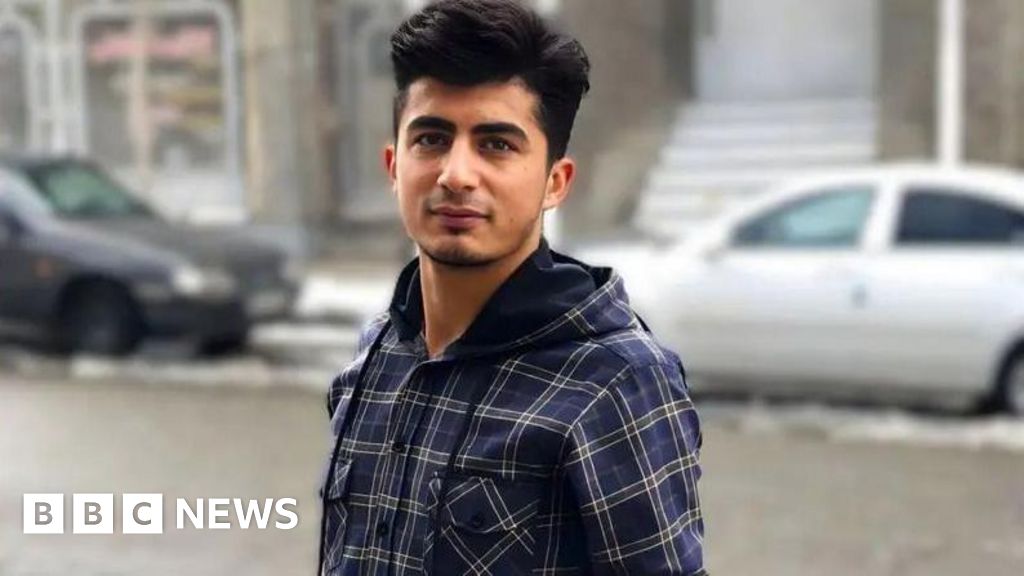
 Mehrab Abdollahzadeh recorded a final voice message from Oromiyeh Central Prison, saying he had been tortured into making false confessions and insisting on his innocence. Arrested during nationwide protests in 2022 following the death of Mahsa Amini, he was accused of killing a member of the Basij militia. After more than three years on death row, he was executed earlier this month, part of a sharp rise in political executions in Iran.
The United Nations has verified at least 32 political executions since late February, following attacks on Iran by the United States and Israel. Amnesty International reports that 45 people were executed on politically motivated charges across 2025, marking a significant increase. Rights groups warn that the death penalty is increasingly being used to silence dissent, with some prisoners accused of spying for Israel or the Central Intelligence Agency, or linked to opposition groups.
Human rights organizations say many defendants were convicted after forced confessions, torture, and opaque trials that failed to meet international legal standards. Several of those executed were connected to unrest earlier this year that was suppressed with lethal force. Activists also report that members of minority communities are disproportionately targeted.
With more than two thousand executions carried out last year, the highest figure in decades according to Amnesty International, the United Nations fears the total could rise further. Critics argue that the surge reflects an effort by authorities to project strength amid internal unrest and external pressure, while families of the condemned often receive no warning and are denied the return of their relatives' bodies.