 image sourced from original article at
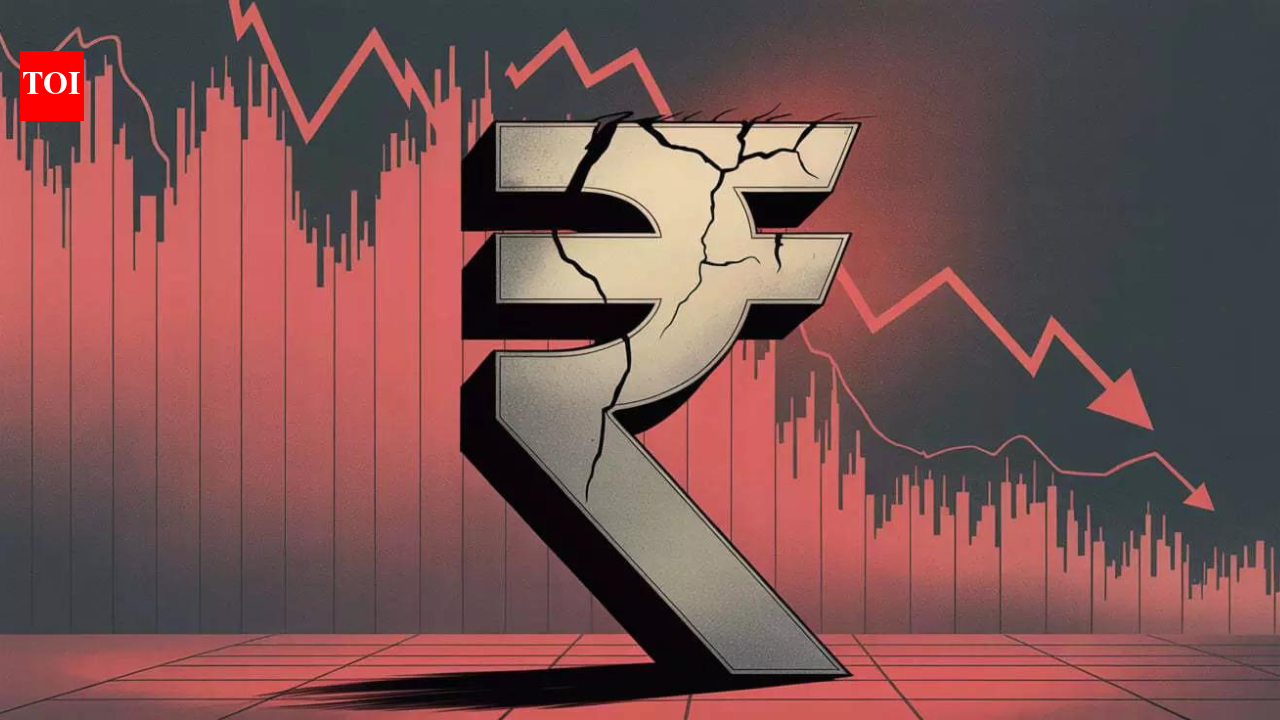
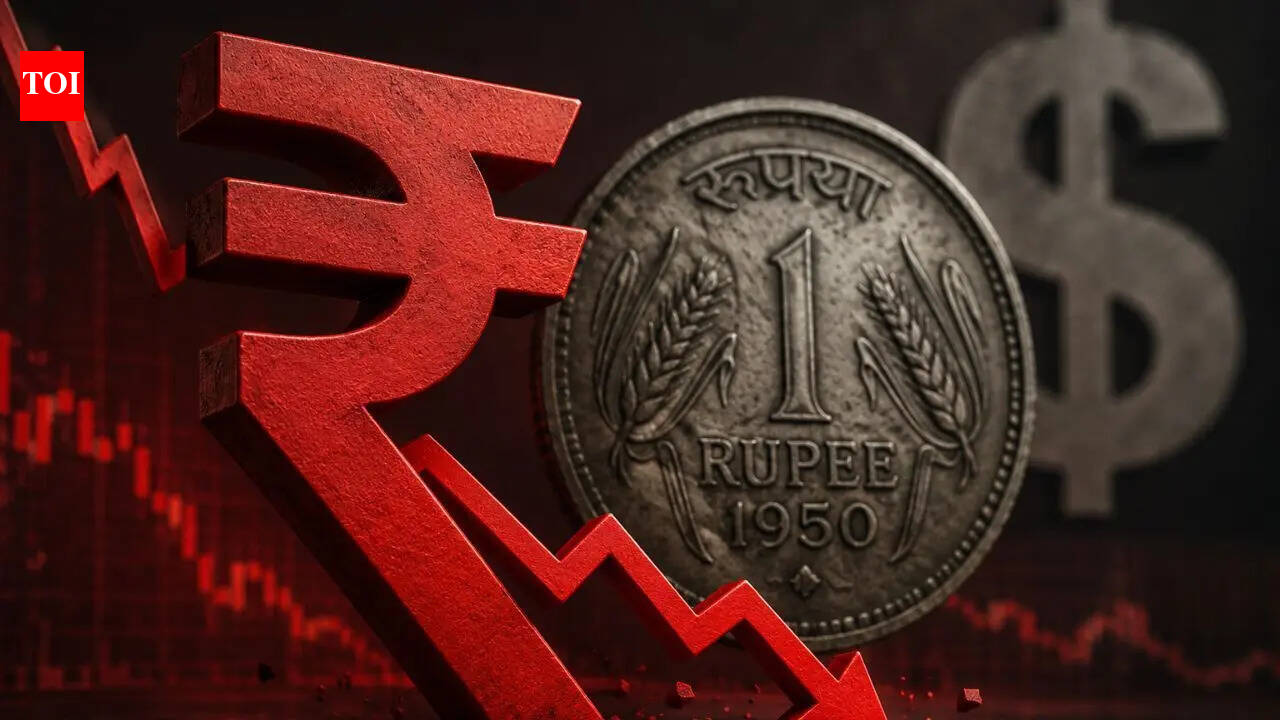
 The Indian rupee has come under intense pressure in 2026, hovering near record lows around 94 to 95 against the United States dollar after already weakening sharply last year. Rising crude oil prices, escalating geopolitical tensions involving the United States, Israel and Iran, and persistent foreign capital outflows have combined to strain India’s external balances. Despite India’s strong economic growth, the currency has been one of the weakest performers among major emerging markets, even as several Asian peers have strengthened.
India’s heavy dependence on imported energy remains the biggest risk factor. With more than 85 percent of its crude oil sourced from abroad, any spike in global oil prices widens the current account deficit, fuels inflation and increases demand for dollars. Brent crude climbing above 100 dollars per barrel has reignited fears of imported inflation and slower growth, while renewed tensions around the Strait of Hormuz have added to market volatility.
Foreign investors have pulled billions of dollars from Indian equities this year, further pressuring the rupee. The Reserve Bank of India has intervened through dollar sales and tighter currency market regulations to curb volatility, but it has reiterated that it does not target a fixed exchange rate level. Analysts note that under the economic principle known as the impossible trilemma, the central bank cannot simultaneously maintain free capital flows, an independent monetary policy and a fixed exchange rate.
Experts believe the rupee’s path will depend largely on oil prices, United States monetary policy, global dollar trends and the return of foreign capital. While a weaker rupee can aid exports and boost remittances, it also raises the cost of imports, fuels inflation and increases expenses for overseas travel and education. Unless geopolitical tensions ease significantly or oil prices retreat, analysts expect the rupee to remain under pressure through the rest of the year, with risks of further depreciation.