 image sourced from original article at
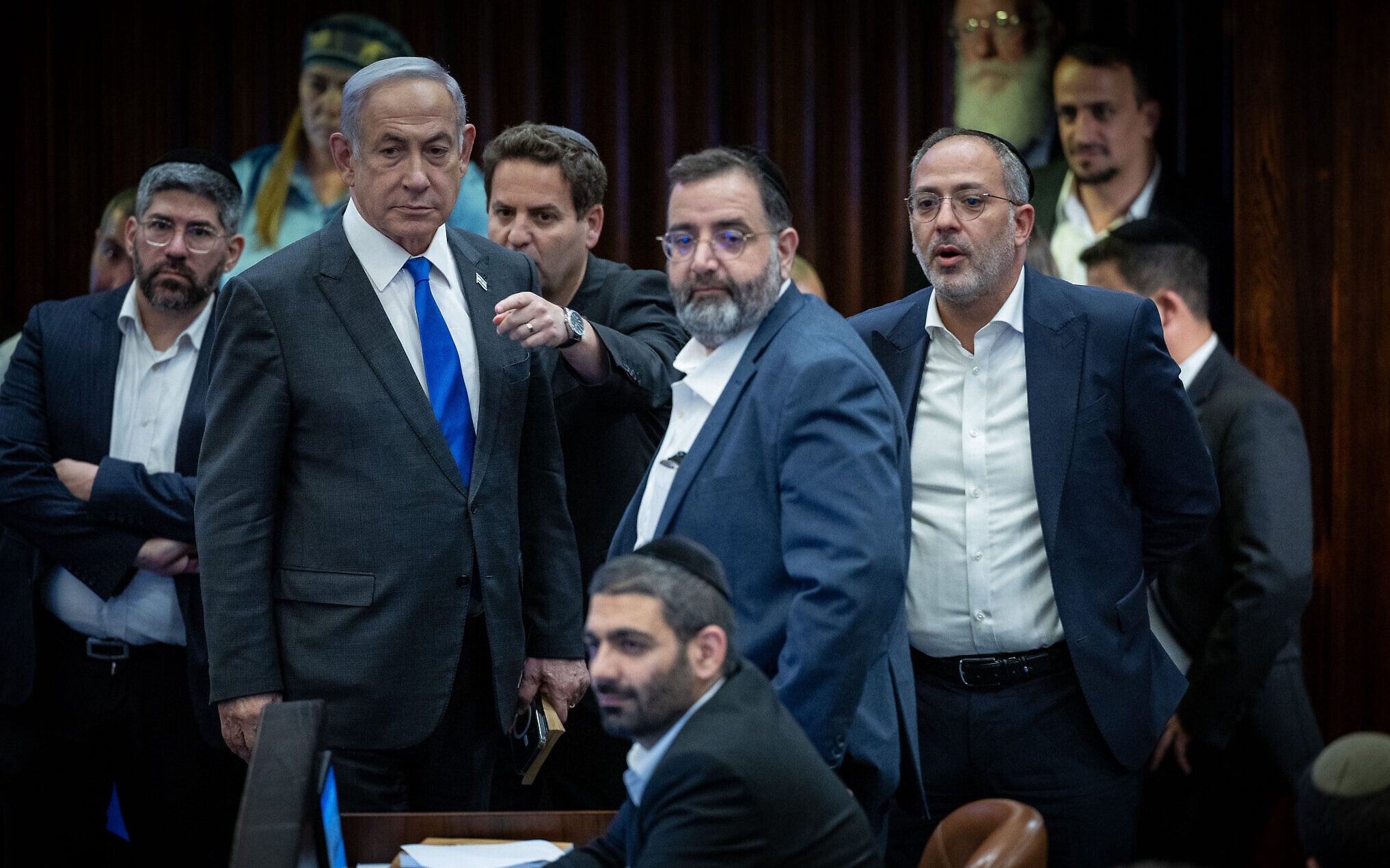
 Prime Minister Benjamin Netanyahu is facing a growing political crisis as his long-standing alliance with ultra-Orthodox parties unravels ahead of expected fall elections. The dispute centers on military draft exemptions for ultra-Orthodox men, a deeply divisive issue that has intensified after more than two years of active fighting and heavy reliance on reservists. Two key ultra-Orthodox parties have withdrawn from his coalition after he failed to pass legislation protecting the exemptions, triggering steps toward dissolving parliament and potentially moving elections up to September.
Many Israelis, including members of Netanyahu's own coalition, oppose extending or formalizing the exemptions, arguing that they are unfair as most Jewish men and women are required to serve in the military. Anger has grown as the armed forces face personnel shortages while maintaining operations in Gaza, Lebanon, Syria, and in conflict with Iran. Several coalition lawmakers have pledged to block any draft exemption bill, making its passage unlikely.
The ultra-Orthodox parties, which hold 18 seats in the 120-member parliament, have long been essential to Netanyahu's political survival. In exchange for support on subsidies and draft exemptions, they have stood by him through regional conflicts and corruption allegations. However, their departure has left his coalition without a majority and placed his reelection prospects in jeopardy.
Netanyahu now faces a political dilemma: securing the exemptions could alienate a war-weary public demanding equal service, while failing to deliver risks permanently losing his most loyal allies. With elections looming, his path to remaining prime minister appears increasingly uncertain.