 image sourced from original article at
 Oil and gas producers in the United Arab Emirates and Qatar are using unconventional shipping tactics to keep energy exports flowing through the Strait of Hormuz as regional conflict heightens security risks. With Iranian forces and United States naval patrols operating nearby, the waterway has become one of the world’s most sensitive maritime corridors, threatening global energy supplies.
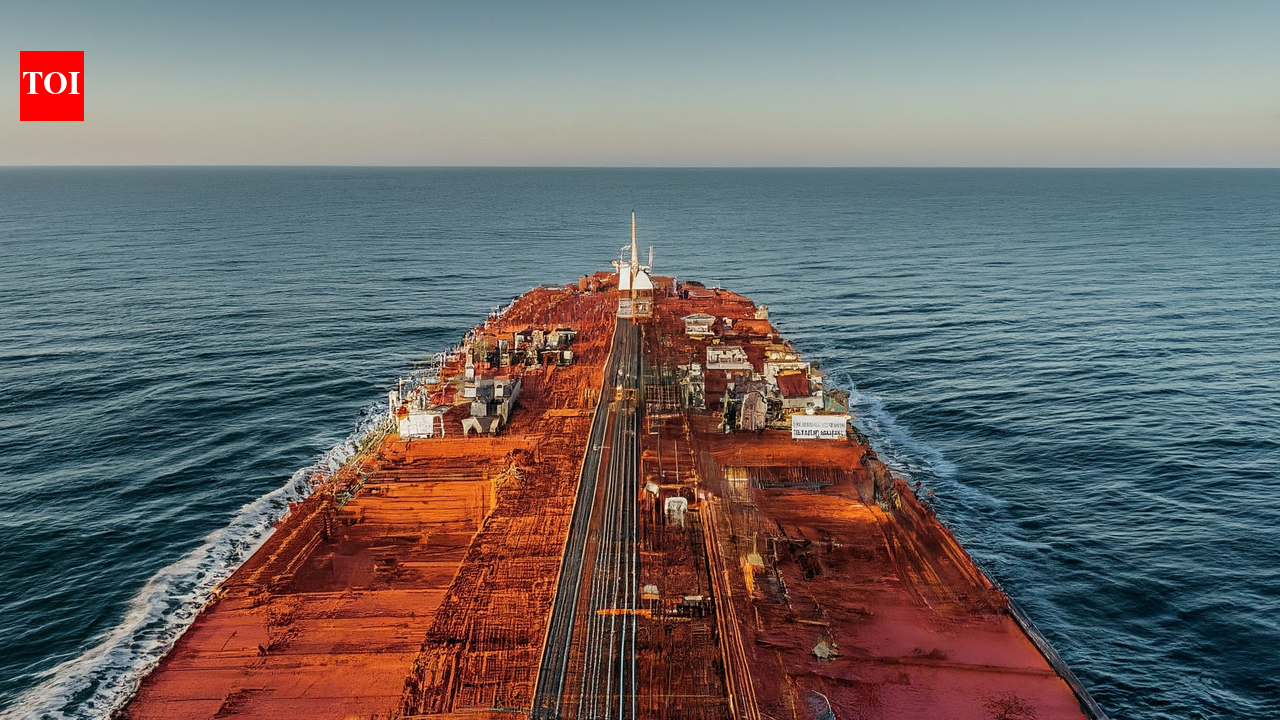
The United Arab Emirates state energy company has relied on so-called 'dark transits', in which vessels switch off tracking transponders while crossing the strait to avoid real-time detection. By using its own controlled fleet of crude, refined product and gas carriers, the company has maintained more consistent cargo movements than competitors that depend on chartered ships.
Qatar has adopted similar low-visibility practices, particularly for liquefied natural gas shipments. Tankers have been observed disabling tracking systems before navigating key export routes, while producers also use rapid shuttle runs and ship-to-ship transfers in comparatively safer waters to maximise throughput.
Although exports continue, shipment volumes remain below pre-conflict levels, especially for liquefied natural gas. The growing reliance on discreet navigation underscores how Gulf producers are adapting to geopolitical uncertainty to sustain critical energy flows through the Strait of Hormuz.